What to Eat After Dental Implant Surgery: Recovery Guide

Getting dental implants is a big step toward a healthier smile, but what you eat in the days after surgery matters just as much as the procedure itself. The right foods can speed up healing, ease discomfort, and protect your new implant while your mouth recovers. If you're wondering what to eat after dental implant surgery, you're in the right place.
Your body needs the proper support to heal well, and that starts with knowing which foods after dental implant surgery are safe and which ones could slow you down. From soft, cool bites in the first 24 hours to heartier meals as the days pass, your diet plays a direct role in how smoothly your implant healing goes.
This guide walks you through exactly what to eat after dental implant surgery, day by day, so you feel confident about every meal. You'll also learn which foods and drinks to avoid, why texture and temperature matter so much right after surgery, and how proper nutrition helps your body do its job.
By the end, you'll know how to care for your dental implants and spot any warning signs that need your dentist's attention.
Key Takeaways
- Your food choices should shift gradually from soft and cool to firmer textures as your mouth heals.
- Certain foods and drinks can slow healing or irritate the surgical site, so it helps to know what to skip.
- Eating the right nutrients supports your body's natural healing process and helps your implant settle in successfully.
Your Day-By-Day Food Timeline
Your mouth needs different foods at different points in healing, so what works on day one won't be right by week two. Here's how to move from liquids to a normal diet without slowing down your recovery.
Surgery Day: Cool Liquids and Very Soft Foods
Right after surgery, stick to liquids and very soft foods that need no chewing at all. Cool smoothies (sipped with a spoon, not a straw), yogurt, pudding, and applesauce are good choices today. Ice cream works too, and it can even help calm swelling in the area.
Skip anything hot. Heat can loosen the blood clot forming at your implant site, and that clot needs to stay put for healing to start.
Lukewarm broth is fine once you're a few hours out from surgery. Just let it cool down first, and avoid using a straw for anything you drink. Your goal today is simple: give your mouth food without asking your jaw to do any work.
Days 1–3: Gentle, No-Chew Meals
Over the next couple of days, you'll still want soft, cool, or lukewarm foods that don't need much chewing.
Good options include:
- Greek yogurt or cottage cheese
- Mashed potatoes or mashed avocado
- Scrambled eggs
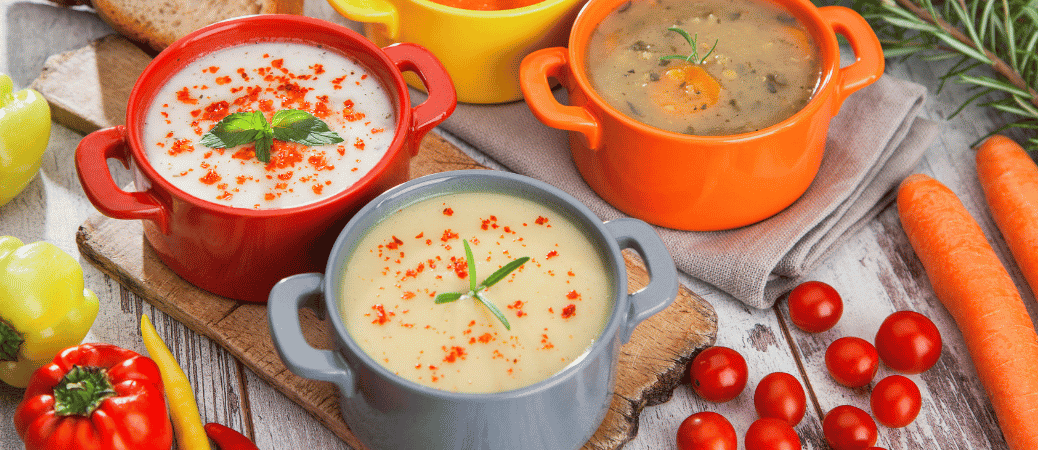
- Blended or pureed soups
- Protein shakes
- Applesauce or pudding
These foods give you protein and nutrients without putting pressure on your gums. Eggs and dairy are perfectly safe to eat during this stage, so don't feel like you need to avoid them.
Keep food and drinks lukewarm rather than hot, and continue skipping straws. Chew only on the side away from your implant if you need to chew at all.
Days 4–7: Adding Soft Solids
By day four, you can usually start adding a bit more variety, as long as everything stays soft.
Try foods like oatmeal, soft pasta, soft rice, well-cooked vegetables, and refried beans. Soft fish such as salmon or tilapia works well too, along with tofu and lentil soup. These give you more texture without straining your healing gums.
Avoid anything spicy, crunchy, or full of small seeds, since these can irritate the surgery site or get stuck near your implant. Steamed vegetables are a better choice than raw ones right now.
Keep chewing on the opposite side from your implant. Your gums are still sealing around the healing cap, so gentle is still the name of the game this week.
Week 2: Moving Toward More Texture
By week two, your gums have usually settled down quite a bit, and you can add more texture to your meals.
Shredded chicken, ground meat, and tender meats are good options now, since they're easy to break down without a lot of chewing force. Soft fruits, well-cooked vegetables, and soft rice or pasta dishes can round out your plate.
You can also start eating a wider mix of foods as long as you avoid anything hard, crunchy, or sticky. Nuts, popcorn, and chewy candy should still wait.
Try chewing small amounts on the implant side with soft foods only. If anything feels uncomfortable, go back to chewing on the other side for a few more days.
Weeks 3–6: Returning to Regular Meals
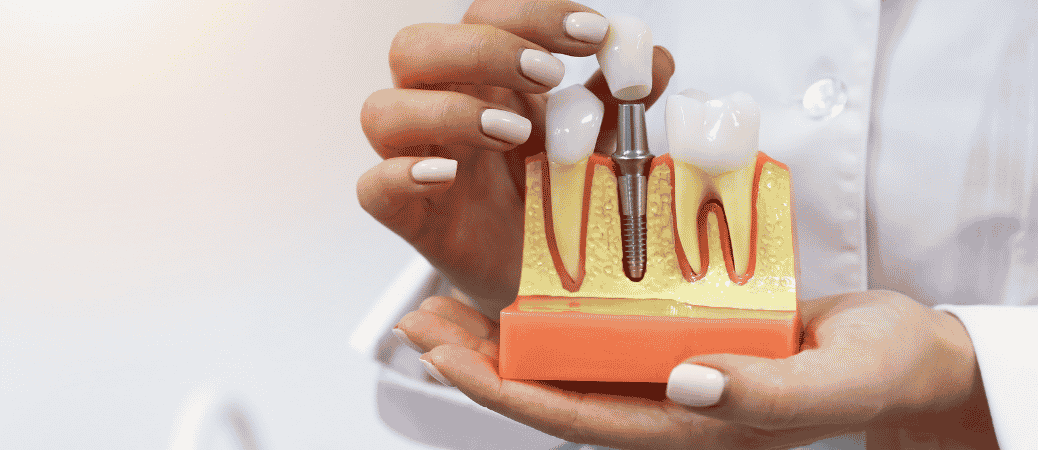
Most people feel ready for a normal diet somewhere between weeks three and six. Your gums have healed, though the implant is still bonding with the bone underneath, a process called osseointegration.
You can start eating tougher meats, raw vegetables, and firmer breads again. Just avoid biting directly on the implant with very hard foods like ice, hard candy, or whole nuts until your dentist gives you the final go-ahead.
Full chewing strength on the implant usually returns once your permanent crown is placed, which can take a few months. Until then, treat the implant gently, but feel free to enjoy the rest of your meals as usual.
Foods and Drinks to Avoid During Recovery
Some foods and drinks can slow healing or even harm your new implant. Skipping these items for the first few weeks gives your mouth the best chance to heal properly.
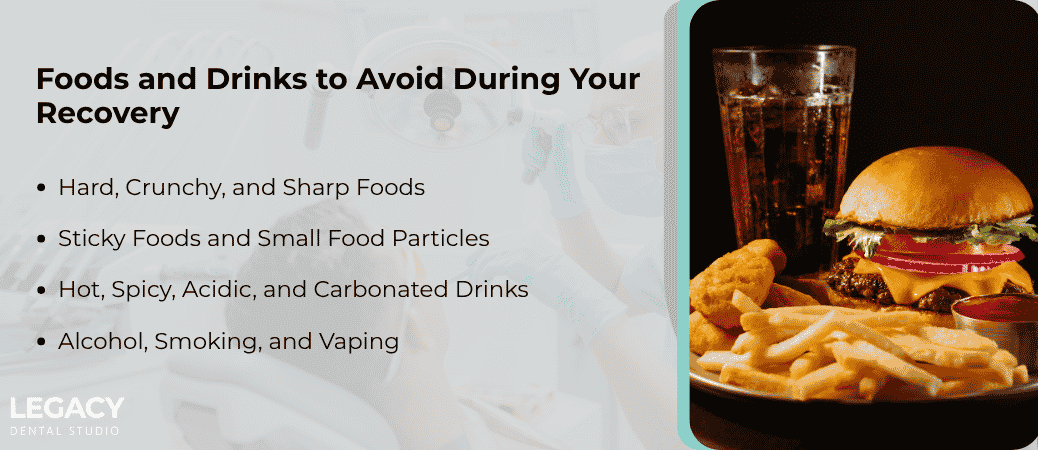
Hard, Crunchy, and Sharp Foods
Hard and crunchy foods put too much pressure on your healing gums and jawbone. This can loosen the implant or cause pain at the surgery site.
Steer clear of nuts, chips, popcorn, and crackers. Raw vegetables and crusty bread are also too tough to chew safely right now. Granola and seeds are risky too, since small pieces can get stuck in the wound. Hard candy is another food to skip, since biting down on it can crack or shift the implant. Wait until your dentist says it's okay before adding these back into your meals.
Sticky Foods and Small Food Particles
Sticky foods can pull at your stitches or stick to the implant site. This can slow down healing and even cause the wound to reopen.
Avoid caramel, taffy, and other chewy candies for now. These foods take a lot of force to chew and can tug on tender gum tissue. Small food particles, like sesame seeds or seeds from berries, may become lodged around the implant and be hard to clean out. This can lead to irritation or infection if left in place. Stick to soft, smooth foods that don't leave crumbs or bits behind.
Hot, Spicy, Acidic, and Carbonated Drinks
Hot foods and drinks can increase blood flow to the surgery site. This may cause more swelling or even light bleeding.
Spicy foods can irritate the healing tissue and cause a burning feeling. Acidic foods and drinks, like citrus fruits or tomato sauce, can also sting the wound. Carbonated drinks are a problem too, since the bubbles and fizz can disturb the blood clot that's protecting your implant site. Stick to lukewarm or cool foods and drinks that are gentle on your mouth. Plain water is always a safe choice.
Alcohol, Smoking, and Vaping
Alcohol can thin your blood and slow down healing. It may also react badly with pain medicine or antibiotics your dentist gave you.
Smoking and vaping are even more harmful to your recovery. Both reduce blood flow and oxygen to your gums, which slows healing and raises your risk of infection. This lack of blood flow can also lead to implant failure, meaning the implant doesn't bond properly with your jawbone. If you smoke or vape, try to avoid it for at least a week or two after surgery, or longer if your dentist recommends it. Giving your body a break from these habits gives your implant the best shot at healing well.
Why Texture, Temperature, and Chewing Matter
What you eat right after surgery affects how well your mouth heals. Food that is too hot, too hard, or eaten the wrong way can slow down healing or even cause problems at the surgical site.
Protecting the Blood Clot and Surgical Site
A blood clot forms at your implant site right after surgery. This clot is important because it protects the area while your gum starts to heal.
If the clot gets knocked loose, you could end up with a painful problem called dry socket. This is why you should skip straws for the first few days. The suction from sipping through a straw can pull the clot right out of place.
Hot food and drinks can also cause trouble. Heat can increase swelling and bleeding at the surgical site, so stick to cool or room-temperature foods at first.
Keeping Pressure Off the Implant Site
Your implant site needs time to settle before it can handle any real pressure. Hard, crunchy, or chewy foods put stress on the area, which can lead to pain, swelling, or even damage to your healing gum tissue.
Soft foods are your best friend during the first stretch of recovery. Think mashed potatoes, yogurt, and scrambled eggs.
These foods let you eat without pressing on the implant site. As your dental implant healing moves forward, you can slowly bring back foods with more texture.
Chewing on the Opposite Side
For the first week or two, try to do all your chewing on the side of your mouth away from the implant. This keeps direct pressure off the healing area and lowers your risk of pain or irritation.
Chewing on the opposite side also gives your body a better shot at forming a strong, stable clot. It's a small habit, but it makes a big difference in how comfortable you feel each day.
If you had a bone graft along with your implant, this step matters even more. Extra pressure too soon can shift the graft material before it has a chance to bond with your jaw.
Supporting Osseointegration and Bone Healing
Osseointegration is the process where your implant fuses with your jawbone. This is what makes the implant strong and stable for years to come.
Bone integration takes time, and it can be disrupted by too much pressure, bacteria, or poor nutrition. Foods high in protein and vitamins support tissue regeneration, which helps your bone heal properly.
If you had bone grafting, your body needs even more support to fuse the graft with your natural bone. Sticking to soft, nutrient-rich foods and avoiding pressure on the area gives your implant the best chance to heal well and last a long time.
Nutrition That Supports Healing
Dental implants patients guide shows that their body needs specific nutrients to heal well after implant surgery. Protein, calcium, vitamin D, vitamin C, zinc, and iron all play a part in tissue repair and bone healing.
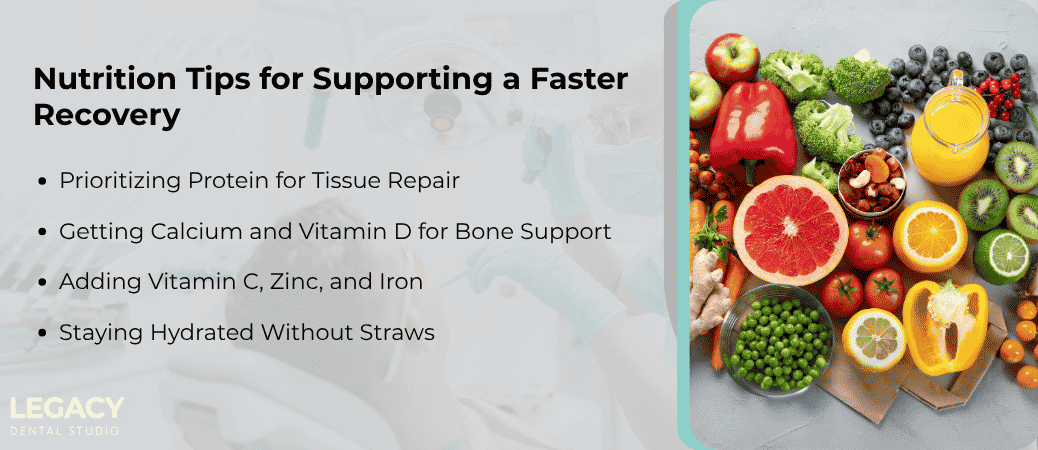
Prioritizing Protein for Tissue Repair
Protein helps your body repair tissue after surgery. Your gums and the area around the implant need extra protein to heal properly.
Good soft protein choices include eggs, Greek yogurt, and cottage cheese. These foods are easy to eat and gentle on your healing gums.
Soft fish like salmon is another great option. It gives you protein along with healthy fats that support recovery.
If chewing feels hard the first few days, try a protein shake. You can also blend protein powder into smoothies for a quick, filling meal that requires no chewing at all.
Beans, lentils, and tofu are good choices if you prefer plant-based protein. Mash them well so they're easy to eat.
Getting Calcium and Vitamin D for Bone Support
Your implant needs to bond with your jawbone. This process depends on calcium and vitamin D working together.
Calcium builds strong bone. Vitamin D helps your body absorb that calcium so it can be used where you need it most.
Yogurt and cheese support bone integration around the implant, making dairy a smart choice during recovery. Fortified milk and plant milks also provide both nutrients in one easy-to-drink option.
Eggs are another good source of vitamin D. Try soft-cooked eggs or scrambled eggs for a meal that's gentle on your mouth.
Getting enough calcium and vitamin D early in recovery sets the stage for stronger, more stable healing over the following weeks.
Adding Vitamin C, Zinc, and Iron
Vitamin C helps your gum tissue rebuild collagen, which is key to healing. Mashed avocado is a soft, easy way to add nutrients without irritating your surgical site.
Smoothies are also a great way to sneak in vitamin C. Blend soft fruits like banana or melon for a cool, soothing drink.
Zinc supports your immune system and helps wounds close faster. You'll find zinc in eggs, beans, and lentils, all of which are soft and easy to eat after surgery.
Iron is just as important. It helps carry oxygen to the healing tissue in your mouth. Lentils, beans, and tofu all provide iron along with protein, making them useful for more than one nutrient at a time.
Staying Hydrated Without Straws
Staying hydrated helps your whole body heal, including the tissue in your mouth. Water is always your best choice.
Skip the straw for the first week or so. Sucking through a straw can loosen the blood clot at your surgical site and slow healing.
Sip water directly from a cup instead. Herbal tea that has cooled down is another good option, but avoid drinking anything too hot.
Smoothies count toward your fluid intake too, as long as you eat them with a spoon. This keeps you hydrated while still giving you nutrients like protein and vitamin C in one simple meal.
Aftercare, Warning Signs, and Dentist Guidance
Taking care of your mouth the right way after surgery helps your dental implants heal without setbacks. Knowing what counts as normal and what needs a call to your dentist can save you from bigger problems down the road.
Gentle Oral Hygiene Around the Healing Area

Keeping your mouth clean matters just as much as eating the right foods. You still need to brush your other teeth like normal, but stay gentle around the surgery site for the first few days.
Starting about 24 hours after surgery, rinse with warm salt water a few times a day. Mix half a teaspoon of salt into eight ounces of warm water. This helps keep the area clean without irritating it.
Skip mouthwash with alcohol until your dentist says it's okay. Avoid spitting hard or using a straw too, since the suction can loosen the blood clot protecting the surgical site. Once your dentist clears you, switch back to a soft-bristled toothbrush for gentle cleaning near the implant.
When Pain and Swelling Need Attention
Some pain and swelling after dental implant surgery is normal. Swelling usually builds up over the first two to three days, then starts to go down.
Over-the-counter pain relievers like ibuprofen or acetaminophen often handle the discomfort. If your dentist prescribed something stronger, take it exactly as directed.
Ice packs help a lot in the first 48 hours. Use them for 20 minutes at a time, then take a break for 20 minutes.
Here's when pain or swelling is not normal anymore:
- Swelling that keeps getting worse after day three
- Pain that doesn't improve with medication
- Swelling that spreads to your eye or neck
- Bleeding that won't stop with gentle gauze pressure
If you notice any of these, call your dentist right away instead of waiting it out.
Signs of Infection or Implant Problems
Infection is one of the biggest risks after dental implant surgery, so it helps to know the warning signs early. A little redness near the site is normal, but certain symptoms mean something is wrong.
Watch out for:
- Fever over 100.4°F
- Pus or a foul taste coming from the implant area
- Increasing pain instead of gradual improvement
- A loose or wobbly feeling implant
- Numbness that doesn't go away after a day or two
Any of these can point to an infection or early signs of implant failure. Your dentist may have already prescribed antibiotics to lower this risk, so make sure you finish the full course even if you start feeling better. Skipping doses can let bacteria come back stronger.
If you notice these symptoms, don't wait for your next scheduled visit. Call your dentist's office the same day.
How Bone Grafting and Multiple Implants Change Recovery
If you needed a bone graft to build up your jawbone before or during your implant surgery, your recovery timeline will look a little different. Waiting to replace your missing tooth can contribute to changes in the jawbone that may affect implant planning. Bone grafting sites often take longer to heal and may feel more tender than a standard implant site.
Swelling and bruising can also be more noticeable, and your dentist may ask you to stick to a soft food diet for a longer stretch of time.
Getting multiple implants at once can mean a longer, more involved recovery too. You may have more than one surgical site to manage, so it's worth spacing out oral hygiene time and food choices carefully across your mouth.
Follow-up visits become even more important with bone grafts and multiple implants, since your dentist needs to track healing at each site separately.
Frequently Asked Questions
Here are quick answers to common questions about eating and drinking during dental implant recovery. These answers cover food timing, texture, and specific meals so you know exactly what is safe at each stage.
What can I eat on the first day after dental implant surgery?
On the first day, stick to cold or room-temperature foods that need no chewing. Good choices include yogurt, applesauce, smoothies, and blended soups.
Avoid hot foods and drinks for the first 24 hours. Heat can increase swelling and bleeding at the surgical site.
Skip using a straw too. The suction can disturb the healing tissue and slow down recovery.
What are the best soft foods to eat during the first week of recovery?
During week one, soft and easy-to-swallow foods work best. Mashed potatoes, scrambled eggs, oatmeal, cottage cheese, and well-cooked pasta are all gentle choices.
Smoothies and protein shakes are also great options. They give you nutrients without requiring any chewing near the implant site.
Try to chew on the opposite side of your mouth if you only had one implant placed. This keeps pressure off the healing area.
How long do I need to follow a no-chew diet after getting dental implants?
Most people can move away from a strict no-chew diet after about one to two weeks. Your gums heal fairly quickly during this time.
However, the implant itself needs much longer to fully bond with your jawbone. This process, called osseointegration, usually takes three to six months to complete, so it's smart to avoid very hard or crunchy foods well beyond the first few weeks of healing.
When can I start eating normal foods again after dental implant surgery?
Many patients can return to a fairly normal diet within four to six weeks. This depends on how well your gums have healed and how your body is responding to the implant.
Your dentist will check your progress at follow-up visits. They can tell you when it's safe to add tougher foods like steak, raw vegetables, or nuts back into your meals.
Always follow your specific surgeon's timeline. Healing speed varies from person to person.
Can I eat rice, macaroni and cheese, or other soft meals after implant surgery?
Yes, rice and macaroni and cheese are both good options once you're past the first day or two. They are soft, filling, and easy to eat without much chewing.
Just make sure the rice is fully cooked and soft, not crunchy or undercooked. Let mac and cheese cool down a bit before eating, since very hot food can bother the surgical area.
These meals are also easy to make ahead of time. Having them ready in your fridge saves you effort on days when you're sore or tired.
Are there any foods or drinks, such as dairy, that I should avoid while my implant heals?
Dairy is generally fine to eat after implant surgery, so don't worry about skipping yogurt or cheese. Just avoid anything crunchy, sticky, or spicy for the first week or so.
Alcohol should be avoided completely if you're taking antibiotics, since it can interfere with how the medication works in your body. It's best to wait until your prescription is finished before drinking again.
Also stay away from very hot drinks, carbonated beverages, and chewy candies. These can irritate the implant site or pull at stitches while you heal.