How Long Can You Wait to Replace a Missing Tooth Before Bone Loss Starts? Key Timelines and Options for a Healthy Smile

You might think you can wait months or even years to replace a missing tooth. If it does not hurt, it can feel easy to put it off. But your jawbone reacts faster than you may expect. So, exactly how long can you wait to replace a missing tooth?
Bone loss can begin within three to six months after tooth loss, and the process often starts even sooner. When you lose a tooth, your jaw no longer gets the pressure it needs from chewing. Without that pressure, the bone in that area starts to shrink, which can affect your bite, nearby teeth, and overall health.
If you act early, you can protect your oral health and avoid more complex treatment later. Understanding the timing helps you make a clear plan and keep your smile strong for years to come.
Key Takeaways
- Bone loss often starts within months after a missing tooth.
- Delaying replacement can affect your bite, nearby teeth, and oral health.
- Early evaluation and treatment help protect your jaw and overall health.
Early Bone Loss After Tooth Extraction
Bone loss begins soon after a tooth comes out. Your body starts breaking down the bone that once held the root in place, and this change can affect your future treatment options.
How Bone Resorption Begins
When you lose a tooth, you also lose the pressure that chewing sends through the root into your jaw. That pressure keeps the bone active and strong. Without it, your body starts a natural process called bone resorption.
Resorption means your body removes bone that it no longer thinks you need. The alveolar bone, which surrounds the tooth root, shrinks first. This is not an infection or a mistake. It is a normal response.
You may not see this change right away. However, the ridge that once supported your tooth begins to narrow and lose height.
If you plan to replace missing teeth with an implant, timing matters. As explained in this guide on why jawbone shrinks after extraction, the bone depends on the tooth root for stimulation. Once that signal stops, jawbone loss can begin quickly.
Over time, this shrinkage can change the shape of your gum line and even affect how your face looks.
Timeline of Bone Changes
Bone loss starts within the first few weeks after extraction. The most rapid changes often happen in the first 3 to 6 months.
During this period, you can lose a noticeable amount of bone width. Height may also decrease, though it often changes more slowly than width.
Here is a simple breakdown:
- First 1–2 weeks: Soft tissue heals over the socket. Bone activity begins below the surface.
- First 3 months: The greatest amount of bone resorption usually occurs.
- 3–6 months: Continued shrinkage, especially if you do not place a graft or implant.
Many dentists suggest replacing a missing tooth within a few months to limit further damage. This article on the best time to get a dental implant after losing a tooth explains why delays beyond 3 to 6 months may require bone grafting.
If you wait too long, jawbone loss can make implant placement more complex and increase costs.
Differences Between Front and Back Teeth
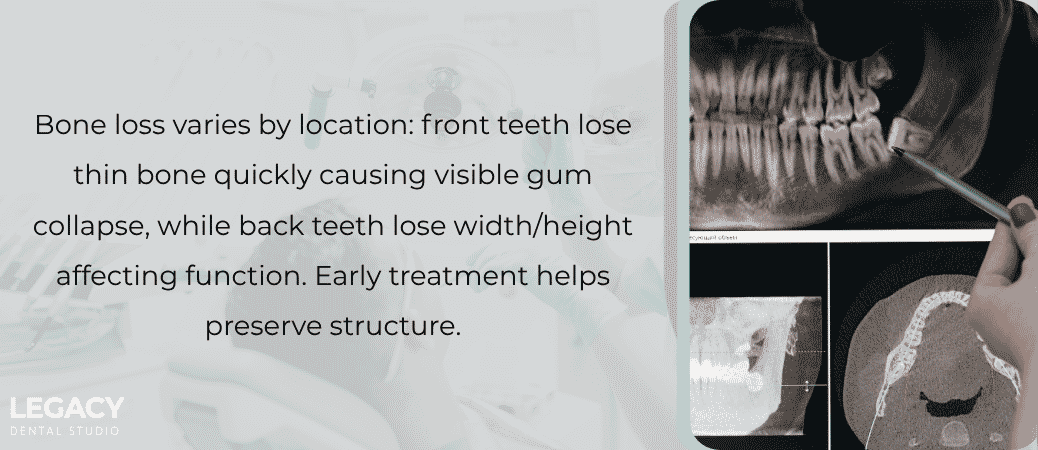
Loss does not affect all areas of your mouth the same way. The front teeth sit in thinner bone, especially on the lip side.
When you lose a front tooth, the outer bone wall can shrink quickly. This can lead to a visible dip in the gum or a sunken appearance. In some cases, severe bone loss can contribute to facial sagging around the mouth.
Back teeth often have thicker bone. However, they handle stronger chewing forces. When you lose a molar, you may not notice cosmetic changes right away, but the ridge can still lose width and height.
Front tooth loss often creates esthetic concerns. Back tooth loss often affects function and bite balance.
In both cases, early action helps preserve your jawbone and maintain your facial structure.
How Delaying Tooth Replacement Affects Your Mouth
When you leave a gap after losing a tooth, changes start sooner than most people expect. Your teeth, bite, and even your face can shift in ways that make treatment harder later.
Shifting Teeth and Bite Misalignment
When you lose a tooth, the nearby teeth do not stay still. They begin shifting teeth into the open space, and the tooth above or below the gap can move out of place.
This movement can start within months. You may not notice it at first, but your dentist can see early signs of shifting teeth and jawbone loss from delaying tooth replacement.
As teeth shifting continues, your bite can change. This leads to bite misalignment, where your upper and lower teeth no longer meet evenly.
You may feel:
- Uneven pressure when you chew
- Food getting stuck more often
- Soreness in your jaw
Fixing bite misalignment often requires braces, aligners, or more complex dental work. Acting early keeps your bite stable and easier to correct.
Changes in Chewing Function and Enamel Wear
Each tooth plays a role in spreading out bite force. When one is missing, the nearby teeth take on more pressure.
That extra force can cause enamel wear, small cracks, or sensitivity. Over time, uneven chewing can strain your jaw joints and muscles.
You may start chewing more on one side. This habit creates imbalance and can speed up wear on certain teeth. The risks of delaying tooth replacement include bite problems and higher treatment complexity over time.
If the problem continues, you may need crowns or other repairs to fix worn teeth. Replacing the missing tooth helps restore balanced bite force and protects your enamel.
Impacts on Facial Structure and Confidence
Your tooth roots help stimulate your jawbone. Without that stimulation, the bone in that area can begin to shrink.
This bone loss can lead to subtle changes in your face. Over time, you may notice facial sagging or a slightly sunken look near the missing tooth. Dental professionals warn that jawbone deterioration and facial changes can occur when you delay replacing a missing tooth.
These changes do not happen overnight, but they build slowly.
Beyond physical changes, you may also feel less confident when you smile or speak. A visible gap can affect how you see yourself, even if others do not mention it.
Replacing the tooth helps support your facial structure and restores a natural look to your smile.
Tooth Replacement Options and Their Benefits
You have several ways to replace a missing tooth, and each option affects your jawbone in a different way. Some treatments help stop bone loss, while others mainly restore chewing and appearance.
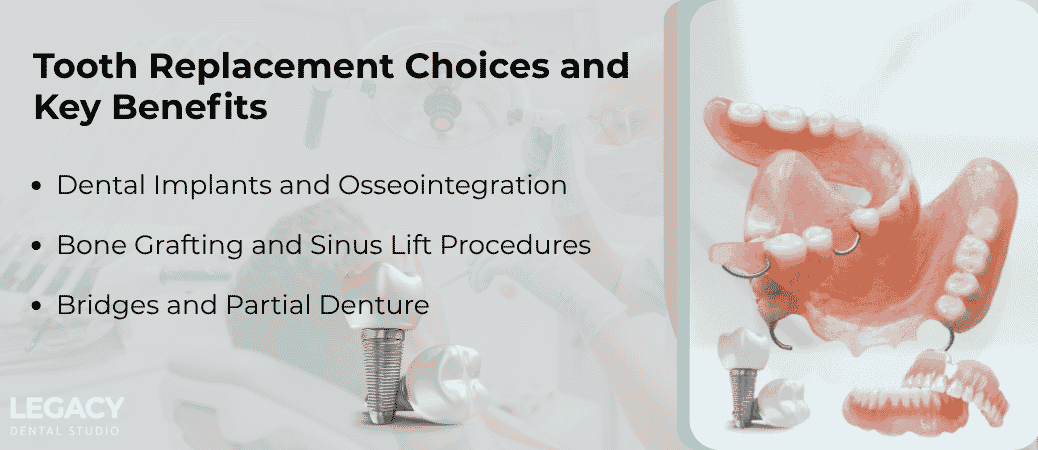
Dental Implants and Osseointegration
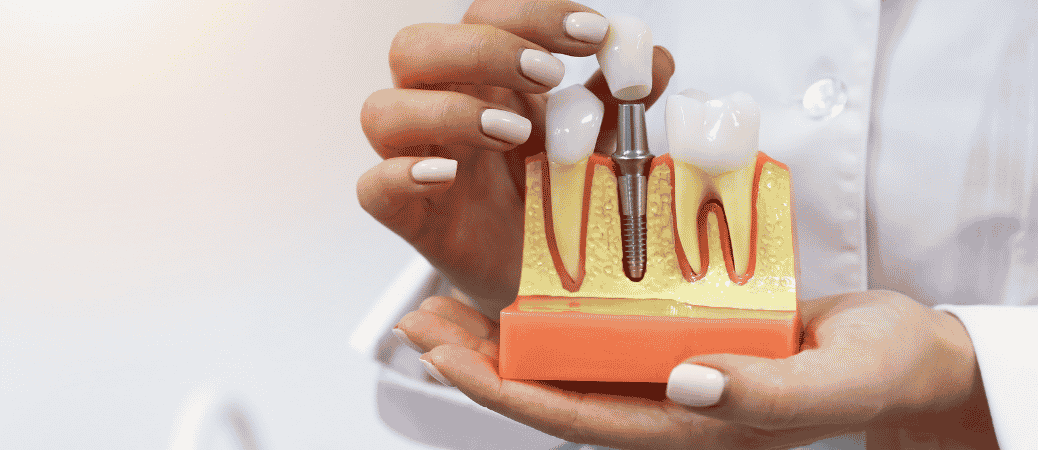
A dental implant replaces both the tooth root and the crown. Your dentist places a small titanium post into your jawbone, then attaches a custom crown on top.
Over a few months, the implant bonds to your bone in a process called osseointegration. This connection helps keep your jawbone active and slows bone loss. Without a root in place, the bone can shrink within the first year after a tooth is removed.
A single implant often costs between $3,000 and $5,000, and the full process can take several months.
Key benefits:
- Helps preserve bone
- Feels stable and secure
- Does not rely on nearby teeth
Implants can also support bridges or implant-supported dentures if you are missing several teeth.
Bone Grafting and Sinus Lift Procedures
If you wait too long, you may not have enough bone for a dental implant. In that case, your dentist may suggest a bone graft.
Bone grafting adds new material to areas where bone has shrunk. Over time, your body builds new bone in that space. This step can make implant placement possible later.
If you lost upper back teeth, you might also need a sinus lift. This procedure raises the sinus floor and adds bone so an implant has enough support.
These treatments add time and cost, but they improve your chances of long-term implant success. If you want a fixed and lasting option, permanent solutions such as implants often work best.
Bridges and Partial Dentures
A dental bridge fills the gap by attaching a false tooth to crowns placed on nearby teeth. A traditional bridge depends on healthy teeth on each side. An implant-supported bridge uses implants instead of natural teeth for support.
Bridges restore chewing and appearance, but they do not replace the tooth root. Because of that, they do not stop bone loss under the missing tooth.
A partial denture or removable partial denture replaces one or more missing teeth with a metal or acrylic base. You can take it out for cleaning. Partial dentures cost less than implants, but they place pressure on nearby teeth and may need replacement over time.
These options work well if you want a faster or lower-cost solution, but they offer less bone protection than implants.
Long-Term Health Risks of Ignoring Tooth Loss
When you leave a gap after tooth loss, your mouth does not stay the same. Changes in your gums and jawbone can affect your oral health and even your overall health over time.
Risk of Gum Disease and Further Tooth Loss
When you lose a tooth, nearby teeth start to shift into the empty space. This movement creates tight spots that trap food and plaque.
Plaque buildup raises your risk of gum disease. Swollen or bleeding gums may seem minor at first, but untreated gum disease can damage the bone that supports your teeth.
Shifting teeth and gum problems often happen together. The longer you wait, the harder it becomes to keep the area clean.
Gum disease can loosen healthy teeth. Over time, you may face more tooth loss, which makes long-term oral health harder to protect. Early treatment helps prevent bone loss and keeps the rest of your teeth stable.
Jawbone Deterioration and Overall Health Concerns
Your jawbone needs pressure from tooth roots to stay strong. When a tooth is missing, that pressure stops.
The bone in that area begins to shrink, a process called jawbone loss. You can lose bone within the first year after tooth loss, and it continues if you do not replace the tooth.
Bone loss can change the shape of your face and weaken your jaw. Severe loss may require a bone graft before you can get a dental implant.
Jawbone deterioration can also affect how your upper and lower teeth meet. A poor bite may lead to jaw pain, headaches, and uneven wear on your remaining teeth.
Protecting your jawbone supports both your oral health and your overall health. Replacing a missing tooth helps prevent bone loss and keeps your mouth working as it should.
Taking Action: Diagnosis and Timing for Best Results
You protect your jawbone when you act early and plan care around your bone health. Clear imaging, smart timing, and the right tooth replacement options help you prevent bone loss and avoid more complex treatment later.
Assessing Bone Quality and Volume
Your dentist needs to measure your bone before you replace a missing tooth. They use dental X-rays or a 3D scan to check bone height, width, and density at the empty site.
Bone shrinks fastest in the first few months after tooth loss. Your provider also checks for infection, gum disease, or thin bone. These problems can lower implant success if not treated first.
If your bone looks healthy and strong, you may qualify for:
- Immediate implant placement
- Implant placement after short healing
- A bridge or partial denture if implants are not ideal
A clear diagnosis helps you choose the safest and most stable tooth replacement.
Acting Early to Preserve Bone
You lose bone because the jaw no longer gets pressure from chewing. Without that pressure, the body removes unused bone.
Most dentists advise replacing a missing tooth within three to six months to limit shrinkage. Waiting longer often increases the need for bone grafting.
You can prevent bone loss by:
- Getting a bone graft at the time of extraction
- Placing an implant soon after healing
- Avoiding long gaps with no tooth replacement
Early action often means simpler surgery, lower cost, and shorter treatment time.
What to Do If Teeth Have Been Missing for Years
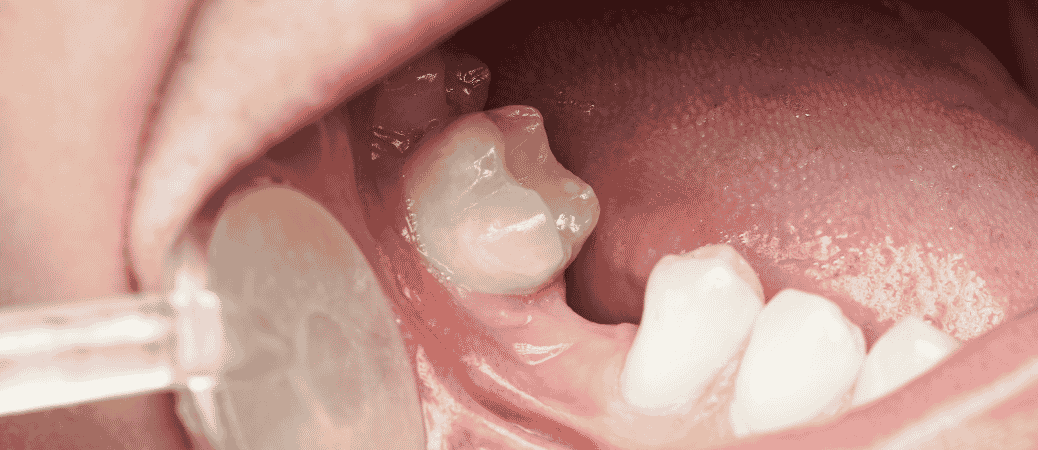
You still have options even if you waited years to replace a missing tooth. Modern treatment can rebuild bone in many cases.
A bone graft can restore lost volume. Healing usually takes at least three months, and large grafts may take longer.
After healing, your dentist can place an implant if the bone is strong enough. Other tooth replacement options include bridges or removable dentures if implants are not possible.
Even if bone loss has already started, a careful exam and imaging can create a clear plan. You can still improve function, protect nearby teeth, and support your long-term oral health.
Frequently Asked Questions
Bone loss can begin within the first few months after a tooth is lost, and nearby teeth may start to shift soon after. Acting early helps protect your jawbone, keeps your bite stable, and may reduce the need for extra procedures later.
How soon should I see a dentist after losing a tooth to avoid jawbone changes?
You should see a dentist as soon as possible, ideally within a few weeks. Bone loss often starts in the first few months after a tooth is removed, and the area can shrink quickly during that time.
The most rapid bone changes tend to happen early. Early care helps your dentist plan treatment before the bone shrinks too much.
Even if you feel fine, your jawbone may already be changing. A quick exam and X-ray can show what is happening under the gums.
Is it ever too late to get a dental implant after a tooth has been missing for a while?
It is rarely too late. You can often get a dental implant even if the tooth has been missing for years.
However, if you waited a long time, you may need extra treatment first. Bone grafting may be needed if the jaw has lost too much bone.
Your dentist will check your bone level with imaging. From there, you can decide if an implant alone will work or if you need added support.
What are the signs that bone loss may be happening where my tooth is missing?
You may notice that the gum looks thinner or slightly sunken. The space can also appear wider over time.
In some cases, nearby teeth start to lean into the gap. Bite changes and small shifts can happen within weeks to months.
Sometimes you will not feel pain at all. That is why regular dental visits matter after losing a tooth.
What are my options for replacing a missing front tooth quickly and safely?
You can choose a removable flipper tooth, a fixed dental bridge, or a dental implant. Each option has different costs, timelines, and long-term effects on your bone.
Many dentists suggest replacing a front tooth within a few months to limit bone loss and tooth movement.
A flipper works well as a short-term fix. An implant often provides the most stable and lasting result.
Do I need a bone graft before getting an implant if I’ve waited a long time?
You might. If your jawbone has thinned or shrunk, your dentist may recommend a bone graft to build it back up.
Delaying treatment can increase the chance that you will need grafting. A graft adds time and cost, but it can make implant placement possible.
Your dentist will measure your bone height and width before making a plan.
What’s the cost difference between a flipper tooth, a bridge, and a dental implant?
A flipper tooth usually costs the least. It is removable and meant for short-term use.
A dental bridge costs more than a flipper but less than most implants. It relies on the teeth next to the gap for support.
A dental implant often has the highest upfront cost. However, it replaces the root and may last many years with proper care, which can make it a strong long-term option.