Tooth Pain Worse at Night: Causes and Warning Signs


You get into bed, close your eyes, and suddenly that dull ache in your tooth turns into a steady throb. It felt fine at lunch, so what changed?
Your tooth hurts more at night mostly because lying down increases blood flow to your head, which raises pressure around inflamed nerves and tissue inside the tooth. There's also less going on to distract you, so pain that faded into the background all day now has your full attention.
If you notice tooth pain worse at night, the cause can be anything from a cavity or a crack to gum problems, clenching in your sleep, or even sinus congestion pressing on your upper back teeth. Some of it can wait for a regular appointment, and some of it can't.
Below, you'll learn what's likely behind your dental pain, a few things that may ease the ache overnight, and the warning signs that mean you should call for emergency care instead of waiting until morning.
Key Takeaways
- Lying flat and having fewer distractions both make tooth pain feel stronger after bedtime.
- Cavities, infections, gum disease, grinding, cracks, and sinus pressure are the usual causes.
- Swelling, fever, or tooth infection means you need a dentist right away, not in a few days.
Why Pain Intensifies After Bedtime
Your tooth didn't suddenly get worse at 11 p.m., your body just changed how it handles the pain. Blood flow shifts, hormone levels drop, distractions disappear, and your jaw muscles may start working overtime while you sleep.
Lying Down and Increased Blood Flow
When you stand or sit, gravity helps pull blood down and away from your head. Lying flat removes that help.
More blood reaches your head and face, which increases pressure around an inflamed or infected tooth. That extra pressure pushes on nerves inside the tooth that are already irritated.
A dull ache you barely noticed at dinner can turn into a steady throb within minutes of your head hitting the pillow. Many people notice the same thing with sinus pressure or headaches.
Propping your head up on two or three pillows often takes the edge off. It won't fix the problem, but it can help you get through the night until you visit your dentist for checkup.
Lower Cortisol Levels and Inflammation
Your body follows a roughly 24-hour clock, and hormone levels rise and fall with it. Cortisol, one of your natural anti-inflammatory hormones, peaks in the morning and drops to its lowest point at night.
Cortisol helps keep swelling and pain signals under control. With less of it in your system after bedtime, inflamed dental tissues can swell more freely and send stronger signals to your brain.
Your pain threshold also naturally dips in the late evening. That means the same amount of inflammation simply feels worse than it did at noon.
This is why an abscess or deep cavity often feels sharper and more insistent at night, the pain is real, and your body has fewer tools to quiet it.
Fewer Distractions and Greater Pain Awareness
During the day, your brain is busy. Work, conversations, traffic, screens, and errands all compete for your attention, and tooth discomfort gets pushed to the background.
Then the lights go off. In a dark, quiet room, there's almost nothing else for your brain to focus on, so the pain takes center stage.
Physical activity also raises endorphins, your body's natural painkillers. Those drop when you rest.
A few things that help redirect your attention:
- Soft music, a podcast, or an audiobook at low volume
- Slow breathing or a short body-relaxation routine
- A cold pack on your cheek for 15 minutes to dull the area
Frustration over not sleeping tends to make the ache feel worse, so easing tension actually helps.
How Nighttime Clenching Adds Pressure
Plenty of people clench their jaw or grind their teeth while asleep without knowing it. This habit is called bruxism, and it can put far more force on your teeth than normal chewing does.
All that pressure irritates the ligaments around your tooth roots, wears down enamel, and can make a cracked or already-sensitive tooth much more painful. Teeth grinding is a common reason for morning jaw soreness and tooth pain, along with headaches near your temples. Stress, caffeine late in the day, and certain medications can all increase clenching.
Common Dental and Sinus Causes
Most nighttime tooth pain traces back to a specific problem, like a cavity that has reached the nerve, a crack you can't see, gum recession, an infection at the root, or pressure from clogged sinuses. Knowing which one you're dealing with helps you decide whether to wait for a regular appointment or call a dentist right away.
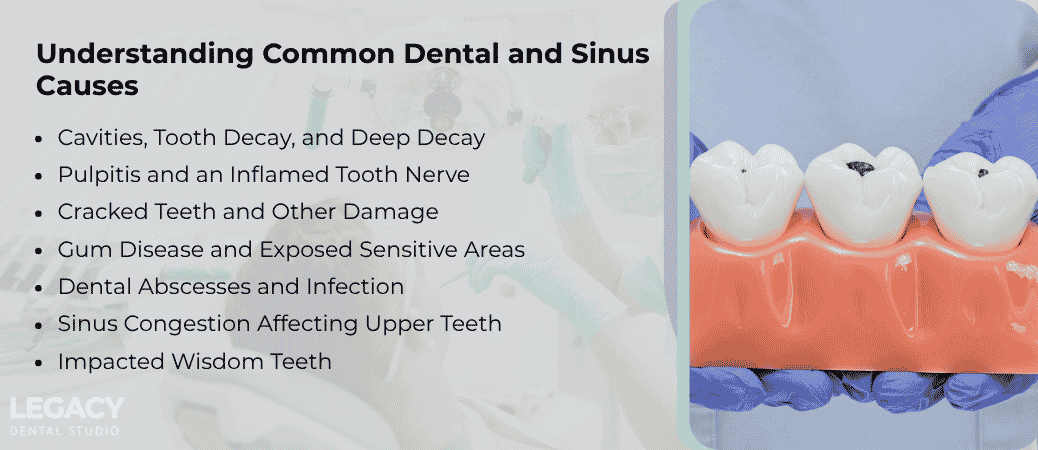
Cavities, Tooth Decay, and Deep Decay
A cavity starts in the hard outer enamel, but it doesn't stop there. Once decay reaches the dentine, the softer layer underneath, tiny tubes carry hot, cold, and sweet signals straight toward the nerve.
That's why sensitive teeth often act up after ice cream or a cold drink.
A deep cavity can throb at bedtime even if it felt fine all day. When you lie flat, blood pressure increases in your head and pushes against the already irritated area inside the tooth.
Watch for these signs of tooth decay:
- Pain that lingers after eating something sweet
- A dark spot or visible hole on the chewing surface
- Food that keeps packing into the same tooth
Pulpitis and an Inflamed Tooth Nerve
The pulp is the soft center of your tooth, full of nerves and blood vessels. When bacteria or trauma irritate it, you get pulpitis, which simply means an inflamed tooth nerve.
There are two versions, and the difference matters:
Type
What it feels like
What usually happens next
Reversible pulpitis
Short zings from cold that fade in seconds
A filling often calms it down
Irreversible pulpitis
Deep, throbbing pain that lasts minutes or wakes you up
Usually needs a root canal
Because the pulp sits inside a hard shell, swelling has nowhere to go. That trapped pressure is exactly why an inflamed nerve or deep decay tends to feel worse once your head hits the pillow.
Cracked Teeth and Other Damage
A cracked tooth can be tricky because the crack is often too small to see on an X-ray. You might only notice it when you bite down and feel a sharp jolt, then feel fine again a second later.
Grinding your teeth at night makes this worse. Clenching puts steady force on damaged teeth, so a hairline crack flexes open a little with every squeeze. Old, large fillings and worn-down chewing surfaces raise your risk too.
Signs to pay attention to:
- Pain when you release a bite, not just when you press down
- Sensitivity to cold in one specific tooth
- Pain that comes and goes with no clear pattern
An undetected cracked tooth is one of the more common reasons for nighttime aching that seems to have no cause.
Gum Disease and Exposed Sensitive Areas
Gum disease, also called periodontal disease, starts as red, puffy gums that bleed when you brush. Over time, the gums pull away from the tooth and expose the root.
Roots aren't covered by enamel. That means cold air, cold water, and even brushing can trigger a sharp ache.
Deep pockets between the gum and tooth also trap bacteria, which keeps the area inflamed. Nighttime discomfort from gum disease with exposed roots often feels more like a dull, spread-out soreness than one sharp spot.
Bad breath that won't go away and gums that look like they're shrinking are both worth mentioning at your next visit.
Dental Abscesses and Infection
A dental abscess is a pocket of pus caused by a bacterial infection, usually at the tip of a root or in the gum. This is the type of pain that most often keeps people awake.
Call a dentist quickly if you notice:
- Swelling in your face, jaw, or gums
- A fever along with the toothache
- A bad taste or drainage in your mouth
- Pain that wakes you up and won't settle down
An abscess won't clear up on its own. Throbbing pain that keeps getting worse is a signal to be seen the same day, since dental infections can spread to nearby tissue.
Sinus Congestion Affecting Upper Teeth
Your upper back teeth sit right below your sinus cavities. When you have a cold or sinus infection, the swelling presses down on those roots.
Lying down lets congestion collect, so the ache often shows up at bedtime.
Here's the clue that points to sinuses instead of a tooth problem: several upper teeth ache at once rather than one specific tooth. You'll usually have other symptoms too, like a stuffy nose, facial pressure, or pain that changes when you bend forward.
A decongestant may ease things. If the pain sticks around after your congestion clears, get the tooth checked.
Impacted Wisdom Teeth
Wisdom teeth come in during your late teens or early twenties, and there often isn't room for them. When one is partly stuck under the gum, food and bacteria slip into the flap of tissue on top.
That leads to swelling, soreness, and sometimes a low-grade infection.
The pain usually sits far back in the jaw and can spread toward your ear or the side of your head. It may also make opening your mouth uncomfortable.
Like other nighttime dental problems, pressure in the area increases when you lie flat, which is why an impacted wisdom tooth often feels most annoying right at bedtime.
Safe Steps for Temporary Overnight Relief
You can't fix a damaged tooth at 2 a.m., but you can make the hours until your dental visit a lot more bearable. Small changes to how you lie down, what you put on your cheek, and which pain reliever you reach for often make the difference between staring at the ceiling and getting some sleep.
Sleep With Head Elevation
Lying flat sends more blood toward your head, and that extra pressure can make a throbbing tooth feel worse. This is one of the main reasons tooth pain feels stronger at night than it does during the day.
Prop yourself up with two or three pillows so your head sits above your heart. A wedge pillow or a reclining chair works well too.
Try sleeping on the side opposite your sore tooth. That keeps pressure off the area and stops you from resting your cheek on the painful spot.
Some people find that changing sleeping position eases the pounding within 15 to 20 minutes. It won't treat the cause, but it can take the edge off enough for you to rest.
Use a Cold Compress on the Cheek
Cold narrows blood vessels near the sore area, which helps calm swelling and dull the ache. Applying a cold compress to the outside of your cheek is one of the simplest things you can do at home.
Here's how to do it safely:
Step
What to Do
Wrap it
Put ice or a gel pack in a thin towel, never place ice straight on skin
Time it
Hold it against your cheek for 15 to 20 minutes
Rest it
Take a break of at least 20 minutes before the next round
Watch it
Stop if your skin turns red, numb, or irritated
Skip heat packs. Warmth can increase blood flow and make a swollen, infected area feel worse.
Choose Over-the-Counter Pain Relief Carefully
An over-the-counter pain reliever is usually your most reliable option overnight. Ibuprofen tends to help most with dental pain because it reduces swelling as well as pain.
Acetaminophen is a good alternative if you can't take ibuprofen, such as when you have stomach ulcers, kidney problems, or take blood thinners. Some people alternate the two, but ask a pharmacist or doctor before doing that.
A few rules worth following:
- Stick to the dose printed on the label, and never double up to speed things along
- Don't give aspirin to anyone under 19
- Never place an aspirin tablet directly on your gum, it burns the tissue
- Numbing gels with benzocaine can help briefly, but they're not for young children
If regular pain medicine barely touches the pain, that's a sign the problem needs urgent attention rather than another pill.
Avoid Food and Drink Triggers Before Bed
What you eat in the evening can set off a toothache that lasts for hours. Exposed dentin and cracked enamel react quickly to temperature and sugar.
Steer clear of these before bed:
- Very hot or very cold drinks, including ice water and tea
- Sugary snacks, soda, and juice, which feed the bacteria behind cavities and gum irritation
- Acidic foods like citrus, tomato sauce, and vinegar dressings
- Hard or sticky items such as nuts, ice, and caramel
Chew on the side away from the sore tooth. Rinse gently with lukewarm water afterward, and sip plain room-temperature water if you get thirsty overnight.
A gentle warm saltwater rinse, about half a teaspoon of salt in a cup of water, can loosen trapped food and soothe irritated gums.
Use Clove Oil With Caution
Clove oil contains eugenol, a natural compound with mild numbing and antibacterial effects. Dentists have used eugenol in temporary fillings for years, which is why this home remedy for toothache keeps coming up.
Use it sparingly. Put one or two drops on a cotton ball or swab, then press it gently against the sore tooth for a few minutes.
Don't swallow it, don't pour it into the tooth, and don't soak your gums with it. Undiluted clove oil can burn soft tissue, and too much causes irritation.
Diluting it with a little olive oil or coconut oil lowers that risk. Keep it away from young children entirely. Relief usually lasts under an hour, so treat it as a short bridge to your appointment, not a fix.
Red Flags That Need Urgent Care
Most nighttime tooth pain can wait until your dentist's office opens, but a few symptoms mean you need help right away. Swelling, fever, pain that ignores medicine, and any trouble swallowing all point to a dental infection that is spreading past the tooth.
Swelling, Fever, and a Bad Taste
Swelling in your cheek, jaw, or gums is not normal with a simple cavity. It usually means a tooth abscess, which is a pocket of pus caused by bacteria.
Watch for a bump on your gum that feels warm and soft. A salty or foul bad taste in your mouth often means pus is draining from that pocket.
A fever with tooth pain changes things. That tells you your body is fighting bacteria that may have moved past the tooth root.
Contact your dentist if swelling spreads toward your eye or down your neck. Tender lumps under your jaw and a stiff jaw that won't open all the way are also warning signs.
Severe Pain That Does Not Settle
Normal toothaches come and go. Severe tooth pain from an infection stays with you and often throbs.
Pay attention if:
- Ibuprofen or acetaminophen barely helps
- The pain wakes you up more than once a night
- It spreads to your ear, temple, or neck
- Biting down sends a sharp jolt through the tooth
Pain like this usually means the nerve inside the tooth is inflamed or dying. Waiting rarely makes it better on its own.
An emergency dentist can open the tooth, drain the pressure, and give you real relief.
Difficulty Swallowing or Breathing
This is the one symptom you never sit on. Difficulty swallowing, tightness in your throat, drooling, or a muffled voice can mean swelling has reached the floor of your mouth or your airway.
Trouble breathing with a swollen jaw or neck is a 911 call, not a morning appointment. A rare but serious infection called Ludwig's angina can close off the airway quickly.
Go to the emergency room if you notice these signs of a spreading infection at 2 a.m. The hospital can protect your breathing and start IV antibiotics, then a dentist handles the tooth itself later.
When Injury or Drainage Changes the Urgency
A knocked-out adult tooth is a dental emergency with a clock on it. Handle it by the crown, keep it moist in milk or saliva, and try to see a dentist within an hour.
Bleeding that won't slow after 15 minutes of steady pressure also needs same-day attention.
What you notice
What to do
Pus draining from the gum
Rinse with warm salt water, call for care
Loose adult tooth, no injury
See a dentist within 24 hours
Sudden bite change
Call your dentist that day
Broken tooth with sharp pain
Same-day exam
Don't squeeze or pop an abscess. That pushes bacteria deeper into the tissue and makes emergency dental care harder.
Getting Lasting Relief From a Dentist
Home remedies like ice packs and ibuprofen can help you fall asleep, but they only quiet the pain for a few hours. A dentist finds the actual cause, treats it, and helps you protect your teeth so the pain does not come back.
What a Dental Examination Can Identify
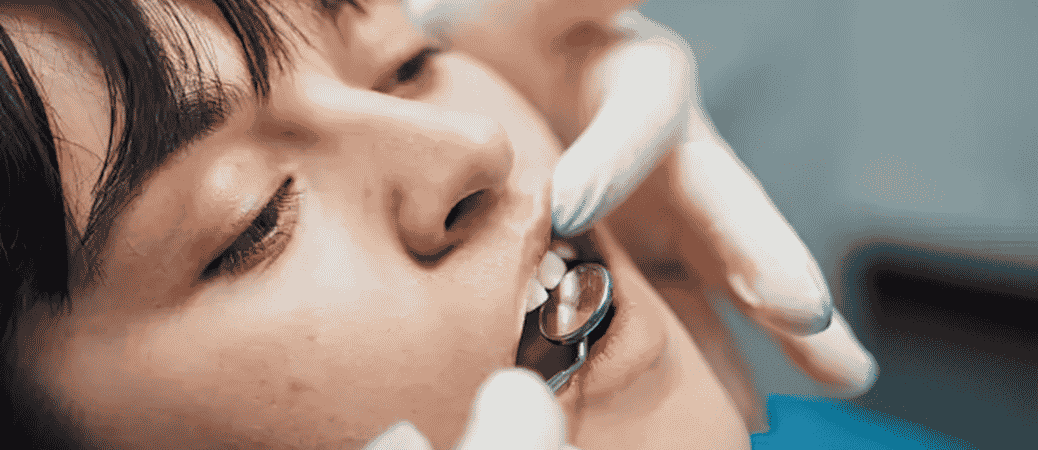
Your dental checkup starts by asking simple questions. When did the pain start? Does it throb, or does it sting when you drink something cold?
Next comes the exam. X-rays show decay between teeth, bone loss, and infection at the root tip. Your dentist may also tap on each tooth, check your bite, and use a cold test to see how the nerve reacts.
This helps narrow things down fast. The pain could come from a deep cavity, an inflamed nerve, gum disease with exposed roots, or an undetected cracked tooth that only hurts under pressure.
Sinus problems can also mimic a toothache, so your dentist will rule that out too.
Treatments From Fillings to Root Canal Care
Once your dentist knows the cause, treatment is usually straightforward.
Problem
Common treatment
Small or medium cavity
Filling
Large cavity or weak tooth
Crown
Infected or dying nerve
Root canal, then a crown
Abscess
Drainage, root canal, sometimes antibiotics
Gum disease
Deep cleaning below the gumline
Cracked tooth
Bonding, crown, or extraction if the crack runs deep
A professionally done root canal treatment clears out the inflamed nerve tissue inside the tooth. That nerve is often the reason your pain spikes the moment you lie down. Most people feel much better within a day or two after treatment.
Managing Bruxism and Protecting Oral Health
If you wake up with a sore jaw or flat, worn-down teeth, bruxism may be part of the problem. Grinding and jaw clenching during sleep put steady pressure on teeth that are already sensitive.
A custom night guard is the usual fix. It cushions your teeth and takes strain off your jaw muscles.
Stress management helps too, since stress is a common trigger for clenching. Some people also benefit from jaw stretches or physical therapy.
Good daily habits protect the results. Brush twice a day, floss, skip sugary snacks close to bedtime, and keep up with cleanings so small problems get caught early.
When to Book a Prompt Appointment
Some symptoms should not wait until next week, such as:
- Swelling in your face, jaw, or gums
- A fever along with the toothache
- A bad taste or drainage near the tooth
- Pain that wakes you up and will not settle down
Schedule within a few days if the ache has lasted more than two days, keeps getting worse each night, or lingers long after you eat something cold.
Frequently Asked Questions
Nighttime tooth pain raises a lot of the same questions, from why lying flat makes throbbing worse to which symptoms mean you should not wait until morning. Here are clear answers about sleep position, quick relief steps, infection warning signs, and pain after a new filling.
Why does my tooth hurt more at night when I lie down?
When you lie flat, gravity no longer pulls blood away from your head. That means blood pressure in the vessels of your face and jaw rises slightly, and inflamed tissue inside a tooth feels that extra pressure as throbbing.
There is also a lot less going on to distract you. During the day, work and errands keep your attention busy, but a quiet, dark bedroom makes the same ache much easier to notice.
What can I do if a toothache is keeping me awake at night?
A few simple steps can take the edge off while you wait for an appointment:
- Rinse with warm salt water to clean around the sore tooth
- Take an over-the-counter pain reliever, following the label directions
- Hold a cold compress against your cheek for 15 to 20 minutes
- Prop your head up with an extra pillow instead of lying flat
- Floss gently to remove any food stuck between teeth
- Skip very hot, cold, or sugary foods and drinks before bed
Some people also find that clove oil applied to the tooth numbs the area for a short time. Keep in mind these are temporary fixes, not cures.
Why does a broken tooth hurt more when I am lying down?
A crack or chip exposes the sensitive inner layers of your tooth, so even small changes in pressure register as pain. The same increase in blood flow to your head that bothers a decayed tooth will bother a damaged one too.
Grinding or clenching in your sleep can make it worse. If you press on a cracked tooth all night without knowing it, you may wake up with a sore jaw and a much sharper ache.
Is throbbing tooth or gum pain at night a sign of an infection?
It can be. An infection inside a tooth creates pressure and swelling around the nerve, which often causes steady, throbbing pain that is hard to ignore once you lie down.
Watch for other clues along with the throbbing, like a bad taste in your mouth, drainage near the gums, swelling, or a fever. Those signs suggest the problem is spreading and needs treatment soon rather than later.
Not every sore gum means infection, though. Gum disease, a popcorn kernel wedged under the gumline, or sinus congestion pressing on your upper back teeth can all cause similar discomfort.
When is a severe toothache serious enough to go to the emergency room?
Head to an emergency room, not just a dental office, if you have trouble swallowing or breathing, swelling that is spreading toward your eye or neck, or a high fever with facial swelling. These can point to an infection that is moving beyond the tooth.
For most other situations, an emergency dentist is the better call. Severe pain, facial swelling, drainage, or pain after an injury all deserve prompt attention, but they are usually handled in a dental chair.
If the ache is annoying but you can sleep with pain relievers and there is no swelling or fever, it is generally fine to wait until morning.
Why does my tooth hurt at night after getting a filling?
Some sensitivity after a filling is normal. The drilling irritates the nerve inside the tooth, and that inflammation can take a few days to a few weeks to calm down, showing up most when you lie down at night.
Call your dentist if the pain gets stronger instead of easing up, or if it lingers past a couple of weeks. A filling that sits too high, an uneven bite, or decay that reached close to the nerve are all fixable, but a dentist needs to look at it.