Can You Go to Work With a Tooth Infection? Warning Signs for Safety


A tooth infection can make even simple tasks feel overwhelming. The throbbing pain, sensitivity, and swelling might have you wondering if you should push through your workday or stay home. While you might be able to work with mild early symptoms, you should not go to work if you have severe pain, facial swelling, fever, difficulty swallowing, or feel generally unwell because these are signs that a tooth infection is spreading and require immediate medical attention.
The truth is that dental infections don't just stay in your tooth. They can spread quickly to other parts of your body if left untreated. What starts as a minor toothache can turn into a serious health emergency within days.
Understanding the warning signs helps you make the right choice about work and your health. This guide will help you recognize when it's safe to work with a tooth infection and when you need to seek urgent care instead.
Key Takeaways
- Mild tooth infections may allow you to work temporarily, but severe symptoms like fever and swelling require immediate dental care
- Tooth infections can spread to your face, neck, and bloodstream if ignored, leading to serious complications
- Early treatment with antibiotics or dental procedures prevents the infection from becoming a medical emergency
Recognizing the Signs of a Tooth Infection
A tooth infection develops when bacteria invade the inner pulp of your tooth, causing inflammation and pain. The symptoms can start mild but often worsen quickly, ranging from a dull ache to severe throbbing pain accompanied by visible swelling and fever.
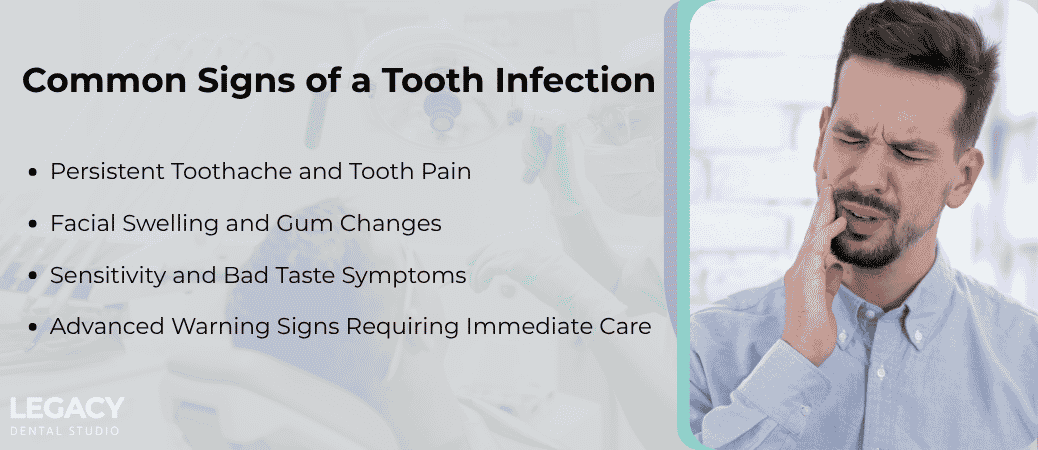
Persistent Toothache and Tooth Pain
A persistent toothache is often the first warning sign of an infected tooth. This pain typically feels constant and throbbing, and it can radiate from your tooth to your jawbone, neck, or even your ear.
Unlike temporary sensitivity that goes away quickly, the pain from a tooth abscess doesn't let up. You might notice sharp discomfort when biting down on food or applying pressure to the affected area. Pain when chewing or biting suggests the infection has spread to the tissues around your tooth root.
The intensity can range from mild irritation to severe, debilitating discomfort. Some people describe it as a constant pulsing sensation that makes it hard to focus on anything else.
Facial Swelling and Gum Changes
Swelling in your face, cheek, or neck is a serious sign that shouldn't be ignored. This puffiness occurs when your body tries to fight the bacterial infection, causing inflammation in the surrounding tissues.
You might also notice changes in your gums near the infected tooth. A gum boil, which looks like a pimple on your gum, can develop as pus builds up. Your gums may appear red, tender, or swollen around the problem area.
Swollen lymph nodes under your jaw or in your neck indicate your immune system is responding to the infection. These nodes might feel tender when you touch them. Facial swelling that affects your ability to open your mouth fully or causes your face to look visibly asymmetric needs immediate attention.
Sensitivity and Bad Taste Symptoms
Tooth sensitivity to hot and cold temperatures is common with dental infections. You might feel sharp pain when drinking your morning coffee or eating ice cream. This sensitivity to hot or cold happens because the infection has reached the nerve inside your tooth.
A persistent bad breath that doesn't go away with brushing or mouthwash can signal an infected tooth. The bacteria causing the infection produce foul-smelling compounds.
You may also experience a bad taste in mouth that's often described as bitter, salty, or metallic. This unpleasant taste might temporarily improve if a dental abscess ruptures, releasing foul-tasting fluid into your mouth. However, this doesn't mean the infection is gone.
Advanced Warning Signs Requiring Immediate Care
Certain symptoms mean you need to seek emergency medical care right away. A fever above 100.4°F combined with facial swelling indicates the infection may be spreading beyond your tooth.
Seek immediate help if you experience:
- Difficulty breathing or swallowing
- Severe swelling that closes your eye or affects your neck
- High fever with chills
- Confusion or extreme fatigue
Difficulty swallowing or breathing suggests the infection has spread to your throat or deeper tissues. This is a life-threatening emergency that requires immediate attention at an emergency room. Don't wait to contact your dentist if you can't reach them.
A loose tooth near the infection site or signs that a tooth infection is spreading to other parts of your body also require urgent care. These advanced warning signs indicate the infection has progressed beyond the initial tooth and surrounding gum tissue.
When Is It Safe to Go to Work With a Tooth Infection?
A mild tooth infection with minimal symptoms might allow you to work temporarily, but you need immediate dental care within 24 hours. Any signs of spreading infection mean you should stay home and seek emergency treatment right away.
Assessing Symptom Severity
You can consider going to work only if your symptoms are very mild. This means slight discomfort without swelling, fever, or pain that interferes with your ability to think or speak clearly.
Stop and get emergency dental care if you notice:
- Swelling in your face, neck, or under your jaw
- Fever above 100.4°F
- Difficulty swallowing or breathing
- Severe, throbbing pain that doesn't respond to over-the-counter medication
- Swollen lymph nodes that feel tender to touch
The first warning signs of a tooth infection can progress quickly. If you're experiencing moderate to severe symptoms, your body is fighting an active infection that needs professional treatment. Working while dealing with these symptoms puts your health at serious risk and makes it harder for your immune system to fight the infection.
Risks to Your Health and Others
A dental infection isn't contagious to coworkers through casual contact. However, going to work with an untreated infection puts your own health in danger.
Bacteria from an untreated dental abscess can spread into other areas of your body. This can lead to sepsis, which requires hospital treatment. The infection can also spread to your jaw, throat, or neck if left untreated.
Ludwig's angina is a rare but serious complication where infection spreads rapidly through the floor of your mouth. This condition causes difficulty breathing and requires immediate emergency care. If you develop rapid heart rate, extreme fatigue, or confusion alongside your tooth pain, these are signs the infection may be spreading throughout your body.
Your workplace could also present challenges. You might accidentally contaminate shared surfaces if you're touching your face frequently due to pain.
Impact on Work Performance
Tooth infections severely limit your ability to focus and perform job duties. The constant pain makes it nearly impossible to concentrate on tasks or communicate clearly with colleagues and customers.
Work functions affected by tooth infections include:
- Speaking clearly during meetings or phone calls
- Maintaining focus on detailed tasks
- Meeting deadlines when pain medication causes drowsiness
- Providing good customer service while experiencing facial swelling
Pain medication might help temporarily, but it often causes drowsiness that makes operating machinery or driving unsafe. If your job requires physical labor, the exertion can increase blood flow and make throbbing pain worse. You're also less productive when you need frequent breaks to manage pain or apply cold compresses to reduce swelling.
Employer Policies and Medical Leave
Most employers consider dental infections valid reasons for sick leave. Check your employee handbook for policies about medical appointments and emergency leave.
You should contact your supervisor as soon as you realize you need to see an emergency dentist. Many workplaces allow employees to use sick days for urgent dental problems, especially when symptoms like fever or swelling are present.
If you need extended time off for treatment like a root canal or tooth extraction, ask your dentist for a note explaining your restrictions. Some dental offices offer same-day emergency dental care appointments, which might let you return to work sooner. For jobs with strict attendance policies, documentation from your dentist protects you from potential disciplinary action.
Potential Complications of Ignoring a Tooth Infection
A tooth infection doesn't stay contained to just one tooth. The bacteria can travel to surrounding tissues and even enter your bloodstream, leading to serious health problems that go far beyond dental pain.
Spread of Infection Beyond the Tooth
When you leave a tooth abscess untreated, the infection can spread to other areas of your body. The bacteria don't respect boundaries. They can move into your jaw, neck, and face, causing significant swelling and pain.
One particularly dangerous complication is Ludwig's angina. This is a serious infection that affects the floor of your mouth and can develop rapidly from untreated tooth decay in your lower molars. It causes severe swelling under your tongue and in your neck, which can block your airway.
You might notice swollen lymph nodes under your jaw or in your neck as your body tries to fight the infection. Facial swelling can become so severe that it affects your appearance and causes intense discomfort. Jaw pain may extend beyond the original tooth, making it hard to eat, talk, or even open your mouth fully.
Airway and Systemic Health Threats
The most serious risk of ignoring a dental infection is that it can become life-threatening. If you experience difficulty breathing or swallowing along with facial swelling and fever, you need emergency medical care immediately.
Sepsis is a life-threatening condition that occurs when the infection spreads throughout your entire body. Your immune system goes into overdrive, causing widespread inflammation that can damage multiple organs. Symptoms include high fever, rapid heart rate, confusion, and extreme weakness.
The risks are even greater if you have a weakened immune system. People with diabetes, autoimmune conditions, or those taking certain medications are more vulnerable to rapid infection spread.
Long-Term Consequences for Oral Health
Beyond immediate health threats, leaving a tooth infection untreated damages your long-term oral health. You'll likely lose the affected tooth completely, which creates gaps in your smile and affects how you chew.
The infection can damage the bone that supports your teeth. This bone loss is often permanent and can affect neighboring teeth, potentially leading to more tooth loss down the line. Replacing lost teeth requires expensive procedures like dental implants or bridges.
Chronic dental infections also increase your risk of developing new cavities and gum disease. The bacteria don't disappear on their own; they continue multiplying and can affect other healthy teeth in your mouth.
Urgent Steps to Take if You Suspect a Tooth Infection
Getting quick help for a suspected tooth infection can prevent serious health problems. You need to know when professional care is urgent, how to manage symptoms safely at home, and why using old medications can be dangerous.

When to Seek Emergency Dental Care
You should contact an emergency dentist right away if you notice intense toothache, swelling in your face or jaw, or fever. These signs mean bacteria may be spreading beyond your tooth.
Call 911 or go to the emergency room immediately if you have trouble breathing, speaking, or swallowing. Difficulty opening your mouth or severe swelling inside your mouth also requires emergency medical attention. Pain or swelling in your eye or sudden vision problems are warning signs that need urgent care.
A tooth abscess is considered a medical emergency because the infection can spread into your bloodstream. This can lead to sepsis, which is life-threatening. Don't wait to see if symptoms improve on their own.
If you can't reach your regular dentist, call 111 for help finding emergency dental care. Many dental offices have emergency appointment options for urgent situations like infections.
Managing Pain and Swelling at Home
You can take ibuprofen or paracetamol to reduce pain while waiting for your dental appointment. Never take more than the recommended dose on the package.
Try these simple steps to feel more comfortable:
- Eat soft foods like soup, yogurt, or mashed potatoes
- Use a soft toothbrush when cleaning your teeth
- Avoid very hot or cold foods and drinks
- Rinse gently with warm salt water
Pain when biting down often means the infection is affecting the tooth's root. Avoid chewing on that side of your mouth until you see a dentist.
These home remedies only help manage symptoms temporarily. They won't cure the infection or stop it from spreading. Your dentist will need to drain the pus and may recommend a root canal or tooth extraction depending on the damage.
Why Leftover Antibiotics Are Not the Answer
Never use leftover antibiotics from a previous illness to treat a suspected tooth infection. Those medications may be the wrong type or dose for a dental infection.
Taking antibiotics without seeing a dentist is dangerous because the infection will continue to spread even if you feel temporary relief. Only your dentist can properly diagnose the problem and prescribe the correct treatment.
Some serious infections require IV antibiotics given at a hospital. Your dentist needs to examine you to determine if oral antibiotics are enough or if you need stronger treatment. Using the wrong antibiotics can also make bacteria resistant to medication, making future infections harder to treat.
Treatment Options and Prevention Tips
Getting prompt treatment can save your tooth and stop the infection from spreading to other parts of your body. Your dentist will choose the best approach based on how severe your infection is and whether the tooth can be saved.
Root Canal Therapy and Other Treatments

A root canal is often the first choice when you have a tooth infection. During root canal treatment, your dentist or endodontist removes the infected pulp from inside your tooth and cleans out the bacteria. They then seal the tooth to prevent future infections.
After root canal therapy, you'll typically need a dental crown placed over the tooth. The crown protects your weakened tooth structure and restores its function. This combination of treatments can save the tooth in most cases.
Your dentist may prescribe antibiotics like amoxicillin or penicillin to help fight the infection. If the abscess is large, your dentist may need to drain it before doing the root canal. They'll make a small cut in your gum to let the pus out and rinse the area with salt water.
When Tooth Extraction Is Needed
Sometimes a tooth is too damaged to save. This happens when the infection has destroyed too much of the tooth structure or if you have a severely cracked tooth.
Your dentist might need to pull the tooth and then drain the abscess to get rid of the infection completely. After extraction, you have options to replace the missing tooth, such as a dental implant or bridge.
Extraction becomes more likely if you've delayed treatment for too long. People with a weakened immune system may also need extraction if their body can't fight off the infection effectively. Your dentist will discuss all your options before making this decision.
Importance of Oral Hygiene and Prevention
Good oral hygiene is your best defense against tooth infections. Brush with fluoride toothpaste twice a day for at least two minutes each time. Floss daily to clean between your teeth where your toothbrush can't reach.
Poor oral hygiene creates an environment where bacteria thrive and infections develop. Don't rinse your mouth immediately after brushing as this removes the protective fluoride from your teeth. Replace your toothbrush every three to four months.
Visit your dentist for regular checkups every six months. Cut down on sugary foods and drinks, especially between meals. Using an antiseptic mouth rinse can provide extra protection against tooth decay and infection.
Frequently Asked Questions
Tooth infections raise many urgent questions about when to seek care and what symptoms mean danger. Understanding the difference between manageable discomfort and a medical emergency can help you make the right choice for your health.
What are the warning signs that a tooth infection is becoming serious?
Severe, constant, throbbing pain that spreads to your jawbone, neck, or ear indicates a serious infection. This type of pain doesn't come and go, it stays with you and often gets worse over time.
Swelling in your face, cheek, or neck is another major red flag. If the swelling makes it hard to breathe or swallow, you need emergency care right away.
A fever that accompanies your tooth pain means the infection is spreading beyond the tooth. You might also notice tender, swollen lymph nodes under your jaw or in your neck.
A foul taste or smell in your mouth can signal an abscess that has ruptured. While you might feel temporary relief when this happens, the infection still needs treatment.
Can I safely go to work if I have a tooth infection but no fever?
You can technically go to work with mild tooth discomfort if you have no fever and the pain is manageable. However, even without a fever, a tooth infection needs prompt dental attention.
Pain that interferes with your ability to concentrate or perform your job means you should stay home. If you need to take pain medication frequently to get through the day, that's a sign the infection requires immediate care.
Consider that infections can worsen quickly. What feels manageable in the morning could become severe by afternoon.
How can I tell if a tooth infection is spreading beyond the tooth?
Fever is one of the clearest signs that bacteria have spread beyond the original infection site. Your body raises its temperature to fight the spreading infection.
Facial swelling that extends beyond the immediate area of the tooth indicates the infection is moving into surrounding tissues. The swelling might feel warm to the touch and continue to grow.
Difficulty breathing or swallowing means the infection has likely spread to your jaw, throat, or neck. These symptoms require emergency room care, not just a dental appointment.
General feelings of being unwell (like fatigue, body aches, or nausea) can signal that the infection is affecting your whole body. You might also notice swollen lymph nodes that feel like tender lumps under your jaw.
When should I go to the emergency room for a tooth infection?
Go to the emergency room immediately if you have trouble breathing or swallowing. These symptoms mean the infection has spread to areas that could block your airway.
A high fever combined with facial swelling requires emergency care if you can't reach your dentist right away. Don't wait until the next business day if these symptoms appear on a weekend or evening.
Severe pain that doesn't respond to over-the-counter pain medication needs urgent evaluation. If you feel confused, dizzy, or extremely weak along with tooth pain, seek emergency help right away.
What could happen if I ignore a tooth infection for a few days?
The infection can spread to your jaw and create a larger area of damage that's harder to treat. You might lose the tooth that could have been saved with earlier care.
An untreated abscess can lead to sepsis, a life-threatening condition where the infection spreads throughout your body. This is rare but possible, especially if you have a weakened immune system.
The infection might create an opening between your tooth and your sinus cavity if the tooth is in your upper jaw. This leads to additional complications that require more complex treatment.
Even if the abscess ruptures and you feel temporary relief, the infection remains active in your body. You still need professional treatment to clear the bacteria completely.
How quickly can a tooth abscess become dangerous if left untreated?
A tooth abscess can progress from uncomfortable to dangerous within days or even hours in some cases. The timeline varies based on your immune system and how aggressive the infection is.
Some people experience a slow progression over weeks, while others develop serious complications within 48 to 72 hours. You can't predict which path your infection will take, which is why prompt treatment matters.
If you notice symptoms getting worse by the hour rather than the day, that's a sign of a fast-moving infection. Don't wait to see if things improve on their own; seek care as soon as possible.