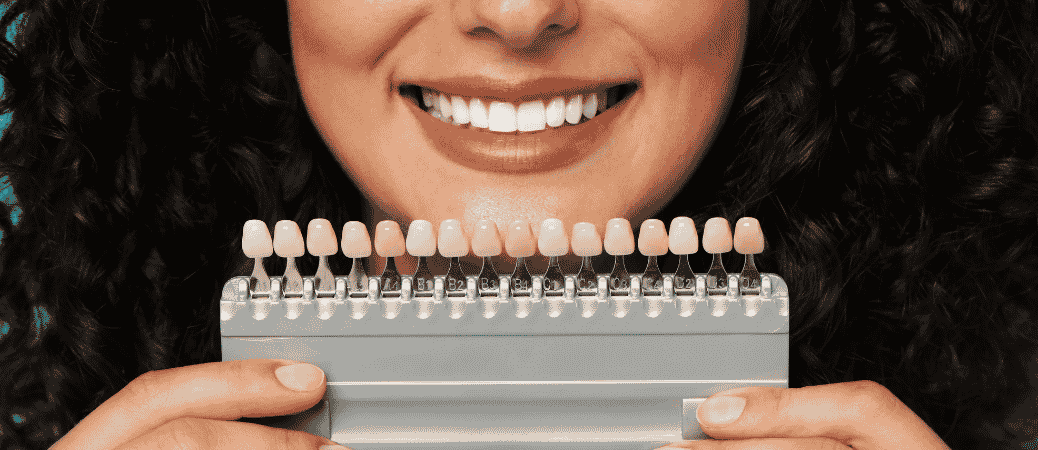
Getting Dental Implants After 60: Key Facts for Seniors


Turning 60 does not mean you have to settle for loose dentures or missing teeth. You can still choose strong, stable dental implants that look and feel natural. Many seniors worry that age alone will disqualify them, but that is not how implant care works.
After 60, your overall health and bone quality matter more than your age, and most healthy adults can still get dental implants with high success rates. Healing may take a bit longer, and your dentist will check bone density and medical conditions more closely. The basic process for fixed tooth replacement, however, stays the same.
When you understand what truly changes and what stays the same with dental implants after 60, you can make a clear and confident choice about your tooth replacement options.
Key Takeaways
- Your health and bone strength matter more than your age for dental implants.
- The implant process stays the same, but healing and planning may require extra care.
- Dental implants for seniors remain a reliable fixed tooth replacement option.
How Dental Implants Work for Older Adults
Dental implants replace missing teeth by placing a small post in your jaw and attaching a custom tooth on top. The process stays mostly the same after 60, but your bone health, healing time, and medical history matter more.
Overview of the Dental Implant Procedure
Your implant dentist starts with a full exam. They take X-rays or 3D scans to check your bone strength and gum health.
During dental implant surgery, the dentist places a small titanium post into your jawbone. This post acts like a tooth root. Over the next few months, your bone grows around it in a process called osseointegration.
Healing can take longer after 60, especially if you smoke or have diabetes. You must keep the area clean and attend follow-up visits. If your bone has shrunk, your dentist may suggest bone grafting before moving forward with the dental implant procedure.
Once the implant bonds with your bone, the dentist attaches the next piece. Then your new tooth goes in place.
Components: Implant, Abutment, and Artificial Tooth

A dental implant has three main parts:
- Implant post – the screw placed in your jaw
- Abutment – the connector piece
- Artificial tooth – the visible crown
The implant post stays hidden under your gums. It provides strong support, similar to a natural root.
The abutment sits on top of the implant. It connects the post to your artificial tooth. Your dentist secures it after healing.
The artificial tooth may be a single tooth implant crown, an implant-supported bridge, or part of implant-supported dentures. Dentists design each artificial tooth to match your bite and tooth color.
Research shows implants have a strong long-term track record, with a 97% success rate at 10 years. That success depends on good oral care and regular checkups.
Types of Implants and Replacement Options
You have several implant choices, depending on how many teeth you lost and how much bone you have.
For one missing tooth, a single tooth implant works well. If you miss several teeth in a row, an implant-supported bridge may replace them without using nearby healthy teeth.
If you lost most or all of your teeth, you may consider:
- Full mouth implants
- Full arch replacement
- All-on-4 or All-on-6 full arch implants
- Implant-supported overdentures
- Implant-supported dentures
All-on-4 and All-on-6 use four or six implants to support a full arch of teeth. These options often avoid the need for many separate implants.
If you have low bone height, your dentist may suggest subperiosteal implants, zygomatic implants, or mini dental implants (NDI implants). Each option fits different bone conditions.
Your implant dentist will recommend the safest and most stable option based on your bone level, health, and goals.
Key Changes in Eligibility and Healing After 60
After 60, your health history and bone condition matter more than your age. Dentists focus on jawbone density, healing speed, and the medications you take before they plan implant placement.
Jawbone Density and Bone Health Considerations
Your jawbone naturally loses density over time. This process, called bone loss, can reduce the support available for an implant.
If you have osteoporosis or long-term tooth loss, you may also have jawbone deterioration. That does not rule you out, but it may change your treatment plan.
Your dentist will check bone density with X-rays or a 3D scan. They look for enough height and width in the bone to hold the implant firmly.
If your jawbone density is low, you may need bone grafting before implant placement. A graft adds bone material to strengthen the area. This step supports long-term bone preservation and improves implant stability.
Many older adults still qualify for implants. Age alone does not block treatment. Your overall jawbone health matters more than your birth year.
Osseointegration and Recovery Timeline
After implant placement, your body begins osseointegration. This process allows your jawbone to bond directly to the implant surface.
In healthy adults, this bonding often takes three to six months. After 60, healing may take a bit longer because bone cells rebuild more slowly.
You might notice:
- Mild swelling for a few days
- Soreness around the implant site
- A longer wait before the final crown
Slower healing does not mean failure. Studies show strong success rates in seniors when health conditions are controlled.
You support osseointegration by keeping the area clean, avoiding smoking, and following food guidelines. Soft foods reduce pressure on the implant while your bone heals.
Medical Factors and Common Medications
Your medical history plays a key role in implant healing in older adults. Certain conditions can slow recovery or raise the risk of problems.
Common factors dentists review include:
- Diabetes and blood sugar control
- Heart disease and circulation issues
- Autoimmune disorders
- Smoking history
Medications also matter. Blood thinners can increase bleeding during or after surgery. Your dentist may work with your doctor to adjust timing or dosage.
If you take bisphosphonates for osteoporosis, tell your dentist. These drugs affect bone turnover and may influence healing around the implant.
Good planning reduces risk. When your dentist reviews your full health profile, they can adjust the treatment timeline, choose the right implant size, and decide if extra healing time is needed.
Benefits and Success Rates in Seniors
Dental implants can restore strong chewing, steady speech, and a natural look after tooth loss. Research shows that many adults over 60 see high success rates and long-term stability when they care for their health and oral hygiene.
Advantages of Implants Over Dentures and Bridges
You get more stability with implants than with removable dentures. Implants anchor into your jawbone, so they do not shift when you eat or talk. This firm support helps you chew foods like meat and raw vegetables with less trouble.
Unlike traditional bridges, implants do not rely on nearby teeth for support. Your dentist does not need to grind down healthy teeth. That helps protect your natural tooth structure.
Implants also help limit jawbone loss. When you lose a tooth, the bone in that area can shrink over time. An implant stimulates the bone and helps slow this process.
Many older adults choose implants because they last longer than dentures. In a 20-year review of dental implants in adults over 50, use increased from 1.3% to 8.4%, showing growing trust in this option among seniors.
Implant Longevity and Long-Term Outcomes
You can expect strong long-term results if your implant heals well and you maintain good oral care. Studies report dental implant success rates of about 97% at 10 years and 75% at 20 years.
Research comparing adults over 65 with younger patients found similar outcomes. One study showed only about a 2% failure rate over 10 years in both age groups.
These numbers show that age alone does not lower implant longevity. Even adults over 80 had only slightly higher complication rates.
With daily brushing, flossing, and regular checkups, your implants can last 15 years or more. Many last much longer.
Factors Affecting Implant Success Rates
Your overall health plays a key role in implant success rates. Conditions like uncontrolled diabetes can raise your risk of infection and implant failure. Smoking can slow healing and increase problems after surgery.
Bone quality also matters. If your jawbone has shrunk, your dentist may suggest bone grafting before placing the implant. Adequate bone helps the implant fuse firmly in place.
Good oral hygiene protects the gum tissue around the implant. You need to brush twice a day, clean between teeth, and attend regular dental visits.
You also need to report pain, swelling, or looseness early. Quick treatment can prevent small issues from turning into implant failure.
Common Risks, Complications, and Special Cases
After 60, dental implants still work well for many people. But your age, bone health, and medical history can affect healing and long‑term results.
Potential for Peri-Implantitis and Infection
You face a higher risk of peri-implantitis if you have gum disease, diabetes, or trouble cleaning around implants. Peri-implantitis is an infection that damages the gum and bone around the implant. It can lead to bone loss and even implant failure.
Older adults may have reduced hand strength or arthritis. That can make brushing and flossing harder. Missed plaque builds up fast around implants.
Implant problems increase over time, especially when other health conditions are present. Smoking and poor blood sugar control also raise your risk.
You lower your risk by:
- Brushing twice daily with a soft brush
- Using floss or implant-specific cleaners
- Seeing your dentist for regular cleanings
Early treatment can stop infection before it spreads to the bone.
Addressing Bone Loss: Grafting and Alternative Implants
Bone density often decreases with age. If you lost a tooth years ago, the jawbone in that area may have shrunk.
Low bone volume can make it harder to secure an implant. In these cases, your oral surgeon or dental surgeon may suggest bone grafting. A graft adds bone or bone-like material to strengthen the area before implant placement.
Some older adults heal more slowly, especially if they have diabetes or take certain medications. A detailed health review helps your surgeon plan safely. Implant choice should focus on stability and long-term maintenance.
In certain cases, your surgeon may recommend:
- Shorter implants
- Narrow implants
- Implant-supported dentures
These options can reduce the need for large grafts while still supporting chewing function.
Managing Periodontitis and Other Oral Health Concerns
If you have periodontitis, you must treat it before getting implants. Active gum disease increases the chance of peri-implantitis later.
Periodontitis destroys the bone that holds your teeth. The same bacteria can attack tissue around implants. Your dentist may recommend deep cleaning, medication, or gum therapy first.
Other health issues also matter. Conditions like heart disease, osteoporosis, and diabetes can affect healing. Studies show that older adults often have more medical conditions that influence implant outcomes, not age alone.
You may need closer follow-up visits after surgery. These visits help protect bone preservation and catch early signs of inflammation.
Clear communication with your dental team helps you manage risks and protect your investment in your smile.
Cost Factors and Insurance for Seniors
Dental implants can improve how you eat and speak, but they can cost a lot. Your final price depends on how many teeth you replace, what prep work you need, and what insurance you carry.
Typical Costs and What Influences Price
The cost of dental implants varies by location, provider, and materials. A single implant (post, abutment, and crown) often costs a few thousand dollars.
National estimates show a single implant can average a little over $2,000, while same‑day implants can cost more.
Several factors raise your total:
- Bone grafts: $500 to $5,000 per site
- Tooth extractions: $75 to $650 per tooth
- 3D imaging scans: $150 to $500
- Sinus lifts: $1,500 to $5,000
If you lost teeth years ago, you may need bone grafting before surgery. That step adds time and money. Your dentist should give you a written treatment plan that lists each fee.
Cost of Full Mouth Implants Versus Single Implants
Replacing one tooth costs far less than replacing all of them. The price gap is large.
A single implant may cost a few thousand dollars. In contrast, full mouth dental implants can range from about $20,000 to $90,000 or more, depending on the system used and whether both arches need work.
Common full-arch options include:
Treatment Type
Typical Cost Range
All-on-4 (one arch)
Often $11,000–$27,000
All-on-6 (one arch)
Around $30,000 per arch
Full mouth (both arches)
$20,000–$90,000+
Full mouth cases often include temporary teeth, multiple implants, and more visits. Lab fees and stronger materials, like zirconia, also increase the cost.
Insurance, Medicare, and Financing for Seniors
Many seniors feel surprised by how little coverage they have. Original Medicare does not cover routine dental care or implants.
Some Medicare Advantage plans offer dental benefits, but they often cap annual payouts at a few thousand dollars. That rarely covers the full cost of dental implants for seniors.
You can also look at:
- Stand-alone dental insurance: Often covers about 50% of major work after a waiting period, with yearly limits.
- Dental discount plans: Offer reduced rates with participating dentists for an annual fee.
- Third-party financing: Many offices offer payment plans through medical lenders.
Before you commit, ask for a full cost estimate and check what your plan will actually pay. This step protects your budget and helps you plan with clear numbers.
Caring for Dental Implants as You Age
As you get older, steady daily cleaning and regular dental visits protect your implants from problems. Simple tools and consistent routine care make a big difference in how long your implants last.
Daily Care and Oral Hygiene Tools

You need to clean dental implants every day, just like natural teeth. Plaque can still build up around the gumline and cause inflammation.
Brush at least twice a day with a soft‑bristled toothbrush. Use gentle pressure around the implant crown and along the gums. An electric toothbrush can help if you have limited hand strength.
Clean between teeth and implants once a day. Interdental brushes work well for wider spaces and around implant posts. Choose the right size so the brush fits snugly but does not force its way in.
A water flosser can help rinse out debris under bridges or implant-supported dentures. It is useful if you have arthritis or trouble using string floss.
If you wear implant-supported dentures, remove them if your dentist advises it and clean all surfaces carefully. Follow the cleaning steps your dentist gives you and stick to them every day.
Importance of Routine Dental Checkups
You still need regular dental checkups, even if your implants feel fine. Your dentist checks the gums, bone levels, and the stability of each implant.
Many experts advise visits every six months, but your dentist may suggest more frequent visits if you have diabetes, gum disease, or a history of bone loss. These conditions can affect healing and long-term success.
At each visit, your dental team measures the pockets around the implant and looks for signs of inflammation. They may take X-rays to monitor the bone that supports the implant.
Professional cleanings remove hardened plaque that brushing cannot reach. Early treatment of gum irritation can prevent implant failure and protect nearby natural teeth.
Tips for Maximizing Implant Health and Longevity
Strong daily habits protect your investment. Dental implants show high long-term success rates, with reports of about 97% success at 10 years and 75% at 20 years in research on older adults.
To support long-term health:
- Stop smoking if you smoke. Smoking slows healing and raises infection risk.
- Keep blood sugar under control if you have diabetes.
- Report any looseness, pain, or swelling right away.
- Avoid chewing hard items like ice that can damage crowns or screws.
Healing may take several months after placement, especially as you age. Follow all post-surgery instructions closely and keep every follow-up visit.
With steady routine care and attention to small changes, you give your implants the best chance to serve you well for many years.
Frequently Asked Questions
Age alone does not block you from getting dental implants. Your health, bone strength, healing ability, and daily care habits play a bigger role than your birth date.
Am I too old to get dental implants, and what factors matter most for eligibility?
You are not too old just because you turned 60, 70, or even 80. Dentists place implants in healthy older adults every year.
Your dentist will check your jawbone density, gum health, and medical history. Conditions like uncontrolled diabetes, heavy smoking, or active gum disease can raise the risk of problems.
Research shows that older age by itself does not greatly increase failure rates. A review of outcomes in adults over 65 found low failure rates over 10 years, similar to younger adults.
What is the success rate of dental implants for people in their 60s, 70s, and beyond?
Dental implants have a strong track record. Studies report about a 97% success rate at 10 years and about 75% at 20 years.
Failure rates in people over 65 are close to those in younger groups. Some adults over 80 may have slightly higher complication rates, but most implants still succeed.
More older adults now choose implants, with use rising from 1.3% to 8.4% in adults over 50 between 1999 and 2020.
How do dental implants compare with dentures in comfort, chewing, and daily maintenance?
Implants anchor into your jawbone. They stay fixed in place and do not shift while you eat or talk.
Dentures rest on your gums and can move or rub. Many people find implants more stable for chewing firm foods.
Implants also help slow bone loss in your jaw. Some guides note that implants often feel more natural and secure than removable options.
You brush and floss implants much like natural teeth. Dentures need to be removed and cleaned daily.
What are the main stages of the dental implant process, and how long does each step usually take?
First, your dentist examines your mouth and takes scans. This visit helps plan the exact spot for the implant.
Next comes implant placement. The surgeon places a small titanium post into your jawbone.
Healing, called osseointegration, often takes several months. During this time, your bone grows around the implant.
After healing, your dentist attaches an abutment and then a custom crown. From start to finish, the full process often takes three to six months, and sometimes longer if you need bone grafting.
What does the implant placement procedure feel like, and what kind of recovery should I expect?
You receive local anesthesia, so you should not feel pain during the procedure. You may feel pressure, but not sharp pain.
After surgery, mild swelling and soreness are common for a few days. Most people manage discomfort with over‑the‑counter pain medicine.
Healing can take longer as you age, especially if you have other health issues.
What aftercare habits help implants heal well and last longer as I get older?
Brush twice a day and floss daily around the implant. Clean carefully along the gumline to prevent infection.
Visit your dentist for regular checkups and cleanings. Report any looseness, swelling, or pain right away.
If you smoke, quitting lowers your risk of implant failure. Managing conditions like diabetes also supports better healing and long‑term success.