What to Do When a Dental Crown Falls Off: Night & Weekend Guide

A dental crown fell off emergency can be stressful, but when it happens at night or during the weekend, you might feel especially worried about what to do next. You can't always reach your dentist right away, and the exposed tooth underneath can feel sensitive or even painful.
If your crown falls off after hours, the most important steps are to retrieve and save the crown, gently clean it with water, keep the exposed tooth clean, and call your dentist first thing in the morning to schedule an emergency dental appointment. While you wait to see your dentist, you can use temporary dental cement from a pharmacy to protect the tooth and reduce discomfort. Understanding what to do when a dental crown falls off helps you handle the situation calmly until professional help is available.
The good news is that most situations where crowns fall off can be managed safely at home for a short time. Knowing the right steps to take will help you protect your tooth from further damage and keep you comfortable until your dentist can see you.
Key Takeaways
- Retrieve your fallen crown, rinse it gently, and store it safely until you can see your dentist
- Protect the exposed tooth by avoiding hard or sticky foods and using temporary dental cement if needed
- Contact your dentist as soon as possible, even if it means calling for after-hours emergency dental care
Immediate Actions to Take When Your Crown Falls Off
When your dental crown comes loose or falls out, taking quick and proper steps protects your tooth from damage and makes it easier for your dentist to fix the problem. The exposed tooth is vulnerable, so you need to act fast while staying calm.
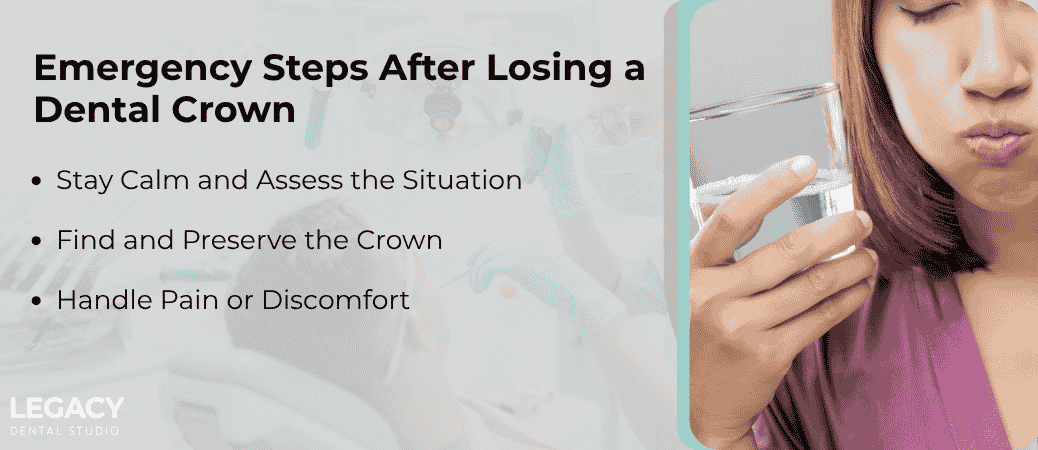
Stay Calm and Assess the Situation
First, don't panic if your crown fell off. This happens to many people and dentists can usually fix it.
Take a moment to check your mouth carefully. Look at the exposed tooth to see if it's broken or damaged. You might notice the tooth feels rough or sharp against your tongue.
Check if you're experiencing any bleeding from your gums. Light bleeding is normal and should stop within a few minutes. If you feel sharp pain, that's also common since the tooth underneath is now exposed.
Avoid touching the exposed tooth with your tongue too much. The tooth without its protective cap is weaker and more sensitive than before.
Find and Preserve the Crown
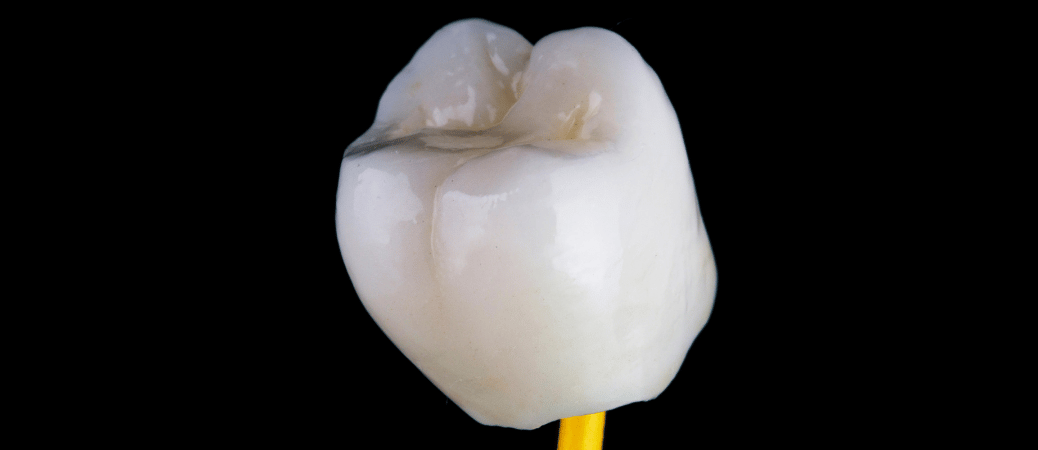
The most important thing is to retrieve the crown so you can take it to a dentist. Don't swallow it.
If the crown is still in your mouth, carefully remove it and rinse it gently with warm water. Look inside the crown to see if any old cement or debris is stuck there.
How to store your crown properly:
- Place it in a small container or plastic bag
- Keep it in a safe spot where you won't lose it
- Bring it to your dental appointment
Clean the crown gently with toothpaste if needed. Your dentist might be able to clean it up and fit it back into your mouth instead of making a new one.
Handle Pain or Discomfort
Your exposed tooth will likely feel sensitive to hot and cold temperatures. This happens because the protective covering is gone.
You can take over-the-counter pain medication like ibuprofen to manage discomfort. Follow the dosage instructions on the bottle.
Quick pain relief tips:
- Rinse your mouth with warm salt water
- Apply a cold compress to your cheek if there's swelling
- Avoid eating on that side of your mouth
If you need immediate relief, some dentists suggest you can temporarily reinsert the crown. First, clean the inside of the crown with toothpaste. Then use temporary dental cement from a pharmacy to hold it in place until you see your dentist.
Protecting the Exposed Tooth Until You See a Dentist
Your exposed tooth needs proper care to prevent pain and damage while you wait for your dentist appointment. Simple steps like adjusting how you eat and maintaining good cleaning habits can keep your tooth safe.
Avoid Eating on the Affected Side
Chewing on the side with your missing dental crown can cause serious problems. The exposed tooth is much weaker than it was with the crown protecting it.
Stick to soft foods that don't require much chewing. Good options include yogurt, mashed potatoes, scrambled eggs, and smoothies. These foods won't put pressure on your vulnerable tooth.
Stay away from hard foods like nuts, ice, and hard candy. Crunchy foods like chips and popcorn can also cause damage. Sticky foods like caramel and taffy might pull on the exposed tooth or irritate your gums.
Hot and cold foods can trigger sharp pain in your exposed tooth. The inner layer of your tooth becomes sensitive when the protective cap falls off. Try eating foods at room temperature until you get your crown fixed.
Maintain Oral Hygiene
Keeping your mouth clean is critical when dealing with an exposed tooth. Brush your teeth at least twice a day with a soft-bristle toothbrush and fluoride toothpaste.
Be gentle around the area where your crown fell off. You still need to clean it, but rough brushing can cause pain or damage. Floss once daily to remove food particles between your teeth.
Rinsing with an antimicrobial mouthwash helps reduce harmful bacteria in your mouth. You can also use warm saltwater rinses to soothe your gums. Mix half a teaspoon of salt in 8 ounces of warm water and swish it around your mouth.
Good oral hygiene prevents decay under the crown and keeps the exposed area clean. This is especially important if you have a temporary crown or are waiting several days for your appointment.
Watch for Sensitivity or Signs of Decay
Pay close attention to how your tooth feels after the crown falls off. Some sensitivity is normal, but certain symptoms need immediate attention.
Warning signs to watch for include:
- Sharp or severe pain that doesn't go away
- Swelling around the tooth or gums
- Discharge or bad taste in your mouth
- Fever or signs of infection
- Increasing sensitivity to temperature
The exposed tooth is at higher risk for new decay because it lacks protection. Look for dark spots or rough areas on the tooth surface. If you notice these changes, contact your dentist right away even if your appointment is soon.
You might not feel much pain if the tooth had a root canal. In this case, focus on watching your gums for redness, tenderness, or swelling instead.
Temporary Crown Solutions You Can Use at Home
If your temporary crown falls off, you have several options to protect your tooth until you can see a dentist. You can use dental products specifically made for this purpose or try safe alternatives that work in a pinch.
Using Temporary Dental Cement or Dental Adhesive
Temporary dental cement is the best option for reattaching your crown at home. You can buy it at most drugstores without a prescription. This cement holds your temporary crown in place and protects the exposed tooth from bacteria and temperature changes.
Before applying the cement, rinse both the crown and your tooth with warm water. Make sure the crown isn't chipped or cracked. Dry the inside of the crown with a tissue or cotton swab.
Follow the package instructions carefully. Most temporary cements require you to place a small amount inside the crown before pressing it onto your tooth. Bite down gently and hold for a few seconds until it sets.
Denture adhesive works as another option if you can't find temporary cement. Apply a small amount inside the crown and press it onto your tooth. This creates a temporary seal until you can visit your dentist.
Alternative Temporary Fixes
If you don't have access to dental products, you can use Vaseline or petroleum jelly as a temporary solution. Place a small amount inside the crown and gently press it onto your tooth. This won't create a strong hold, so you'll need to remove the crown when eating or sleeping to avoid swallowing it.
Toothpaste can work in an emergency. Use a small dab to help the crown stay in place temporarily. This method provides minimal hold but can protect your tooth for short periods.
Some people use sugar-free gum to help keep a crown in position, though this isn't recommended for extended periods. If you try this method, make sure the gum is completely sugar-free to avoid decay.
Orthodontic wax offers another option if your crown is damaged. You can place the wax over the exposed tooth to protect it and prevent sharp edges from irritating your mouth.
When Not to Reapply the Crown Yourself
Don't try to reattach your crown if it's broken, cracked, or has pieces missing. A damaged temporary crown can cause more harm than good. Instead, rinse your mouth to remove any particles and keep the broken pieces in a clean container to show your dentist.
Avoid reattaching the crown if you experience severe pain or swelling. These symptoms might indicate infection or damage to the underlying tooth that needs immediate professional attention.
If the crown doesn't fit properly when you try to place it back on, stop trying to force it. The tooth structure may have changed, or decay might have affected the fit. Forcing an ill-fitting crown can damage your tooth or cause the crown to break further.
Don't use super glue or other household adhesives on your crown. These products aren't safe for your mouth and can damage both the crown and your natural tooth. Stick to products specifically designed for dental use.
When and How to Contact Your Dentist After Hours
A lost crown after business hours requires quick action, but not every situation means you need to wake your dentist in the middle of the night. Knowing when to contact your dentist immediately versus waiting until morning can help you get the right care at the right time.
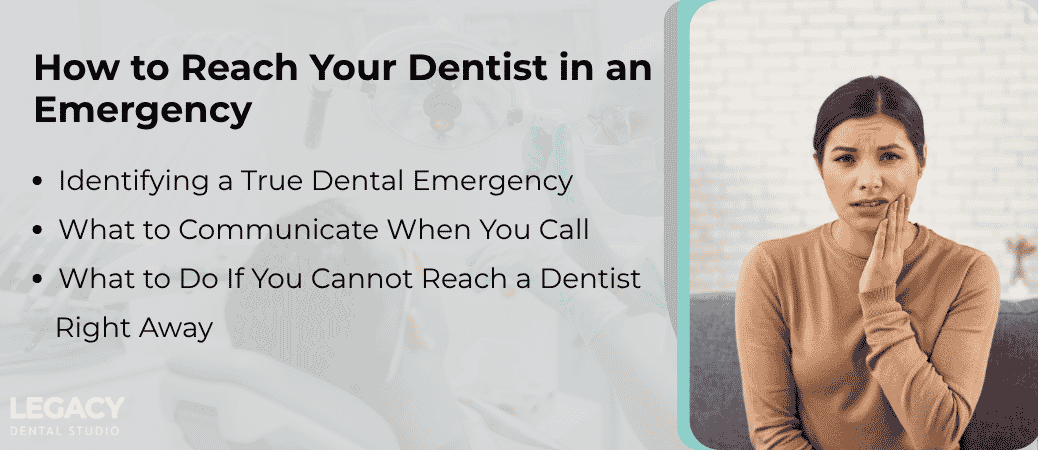
Identifying a True Dental Emergency
You should contact your dentist after hours if you have severe pain that over-the-counter medication cannot control. This type of pain signals a serious problem that needs immediate attention.
Heavy bleeding that does not stop after 10 minutes of applying pressure is also an emergency. The same goes for significant swelling in your face, jaw, or neck area.
If you have a high fever along with your lost crown, call right away. This could mean you have an infection that needs urgent treatment.
A crown that falls off without major pain or bleeding can usually wait until the next business day. You can take care of the tooth at home and schedule an appointment during regular hours.
What to Communicate When You Call
When you reach your dentist's after-hours emergency line, clearly describe your symptoms first. Tell them your pain level on a scale of 1 to 10.
Explain when the crown fell off and whether you still have it. Mention any visible damage to the tooth underneath or to the crown itself.
List any symptoms like:
- Bleeding and how much
- Swelling location and size
- Fever or chills
- Sharp edges cutting your tongue
Tell them what you have already done to manage the situation. This includes any pain medication you took and when you took it.
Ask specific questions about next steps and when you should come in.
What to Do If You Cannot Reach a Dentist Right Away
If your regular dentist does not answer, look for urgent dental care facilities that operate on weekends and evenings. Many areas have emergency dental clinics that take walk-in patients.
You can also call local hospitals to ask if they have dental services available. Some emergency rooms can help with severe dental problems.
For non-emergency situations, focus on protecting your tooth until you can get professional help. Keep the crown clean and stored safely in a sealed plastic bag.
Take over-the-counter pain relievers as directed on the package. Rinse your mouth with warm salt water to reduce bacteria and soothe your gums.
Avoid chewing on the affected side and stay away from very hot or cold foods. Cover any sharp edges with dental wax or sugar-free gum if needed.
Why Crowns Fall Off and How to Prevent Repeat Issues
Understanding what causes crowns to become loose helps you protect your restoration long-term. Proper care and quick professional attention can stop the same problem from happening again.
Common Causes Like Tooth Decay and Adhesive Failure
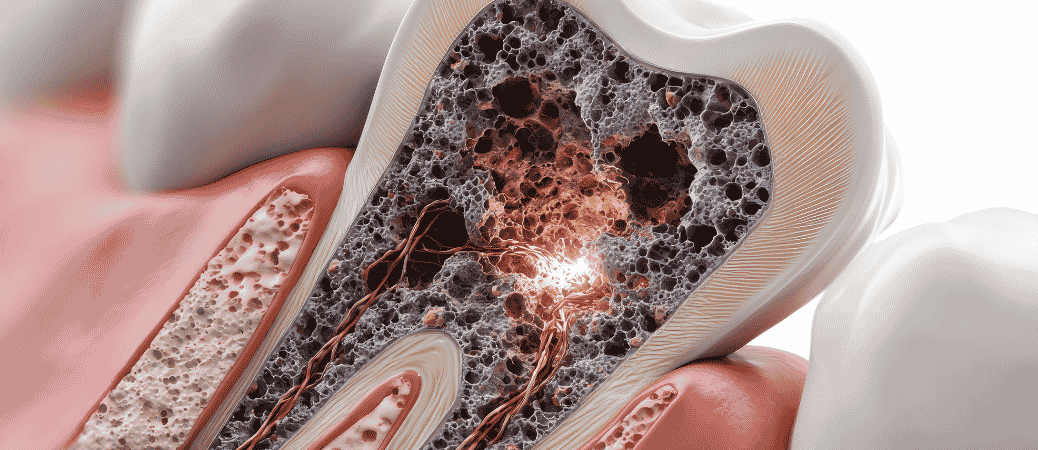
Decay under the crown is one of the most common reasons your dental crown falls off. Bacteria can slip through tiny gaps along the gum line and attack the tooth underneath. When the tooth structure weakens from decay, the crown loses its support and detaches.
Dental adhesive can also break down over time. The cement holding your crown in place may weaken due to normal wear and tear. Poor-quality adhesive or improper bonding during placement can cause your crown to fail sooner than expected.
Other causes include damage to the tooth structure itself. Biting hard foods like ice or nuts puts stress on your dental crown. Grinding your teeth at night applies constant pressure that can loosen the bond. A poorly fitted crown may never bond securely in the first place.
Preventing Temporary and Permanent Crown Problems
Brush twice daily with fluoride toothpaste and floss around your crown carefully. Good oral hygiene keeps bacteria away from the edges where decay starts.
Avoid chewing hard or sticky foods with your crowned tooth. Ice, hard candies, and caramels can damage both permanent and temporary crown restorations. If you grind your teeth, ask your dentist about a nightguard to protect your crown while you sleep.
Schedule regular dental checkups every six months. Your dentist can spot early warning signs like gum recession or gaps forming around the crown. Treating gum disease quickly prevents it from weakening your crown's foundation.
Choose an experienced dentist for crown placement. Proper measurements and high-quality materials make a big difference in how long your crown lasts.
The Importance of Timely Professional Care
Contact your dentist right away when your crown falls off. The exposed tooth is vulnerable to damage and infection. Waiting too long can allow decay to set in or the tooth to shift position.
Your dentist needs to examine why the crown failed. They'll check for decay, fractures, or problems with the original fit. Addressing the root cause prevents the replacement crown from falling off too.
Many dental offices offer same-day emergency appointments for lost crowns. Quick action protects your tooth and often allows your dentist to reattach the original crown if it's still in good condition. Delaying treatment may require a completely new crown instead of a simple re-cementing.
Frequently Asked Questions
Losing a crown after hours raises many practical questions about immediate care and safety. Understanding what steps to take, how to protect your exposed tooth, and when to seek emergency help can make a big difference in preventing further damage.
What should I do right away if my crown falls off after hours?
The first thing you need to do is find the crown and keep it in a safe place. Rinse it gently with water to clean it, but don't scrub or use any harsh cleaners.
Call your dentist's emergency line if they have one. Many dental offices have after-hours voicemail systems with instructions for emergencies.
Store the crown in a small container or plastic bag. You can keep it in a clean, dry place or submerge it in milk or saliva to prevent it from drying out.
Is it safe to sleep without the crown, and how can I protect the tooth overnight?
You can sleep without your crown, but your exposed tooth needs protection. The tooth underneath is weaker and more sensitive without its protective cap.
Avoid sleeping on the side where the crown came off. This helps prevent accidentally biting down on the exposed tooth during sleep.
If your dentist recommended it, you can use temporary dental cement from a pharmacy to reattach the crown before bed. Brush the exposed tooth very gently before sleeping.
Can I temporarily reattach the crown at home, and what should I avoid using?
You can temporarily reattach your crown using dental cement bought at most pharmacies or grocery stores. Clean the inside of the crown gently with toothpaste first, then apply a small amount of the cement.
Press the crown firmly but gently back into place and bite down to make sure it fits correctly. Hold it in position for a few minutes until the cement sets.
Never use super glue, household adhesives, or permanent glue on your crown. These products can damage your tooth and make it harder for your dentist to properly reattach the crown later.
How do I manage pain or sensitivity until I can see a dentist?
Over-the-counter pain relievers like ibuprofen or acetaminophen can help manage discomfort. Follow the dosage instructions on the package.
Apply a cold compress to the outside of your cheek for 15 minutes at a time. This can reduce swelling and numb the area temporarily.
You can also use dental wax or temporary filling material from a drugstore to cover the exposed tooth. Avoid very hot or cold foods and drinks that might trigger sensitivity.
What foods and drinks should I avoid while the crown is off?
Stay away from hard foods like nuts, ice, raw vegetables, and hard candies. These can damage the exposed tooth or cause pain.
Avoid sticky foods like caramel, taffy, or chewing gum. These can pull at the exposed tooth or dislodge a temporarily reattached crown.
Skip very hot or very cold beverages since your tooth will be more sensitive without the crown. Stick to soft foods like yogurt, mashed potatoes, soup, and scrambled eggs until you can see your dentist.
When should I treat a lost crown as an emergency and seek urgent dental care?
You need emergency care if you experience severe pain that doesn't respond to over-the-counter medication. Sharp, throbbing pain could indicate an infection or exposed nerve.
Seek immediate help if you notice swelling in your gums, face, or jaw. Swelling combined with fever or difficulty swallowing are signs of a serious infection.
If the tooth underneath is broken or severely damaged, you should find an emergency dentist right away. Bleeding that doesn't stop after applying gentle pressure for 10 minutes also requires urgent attention.